
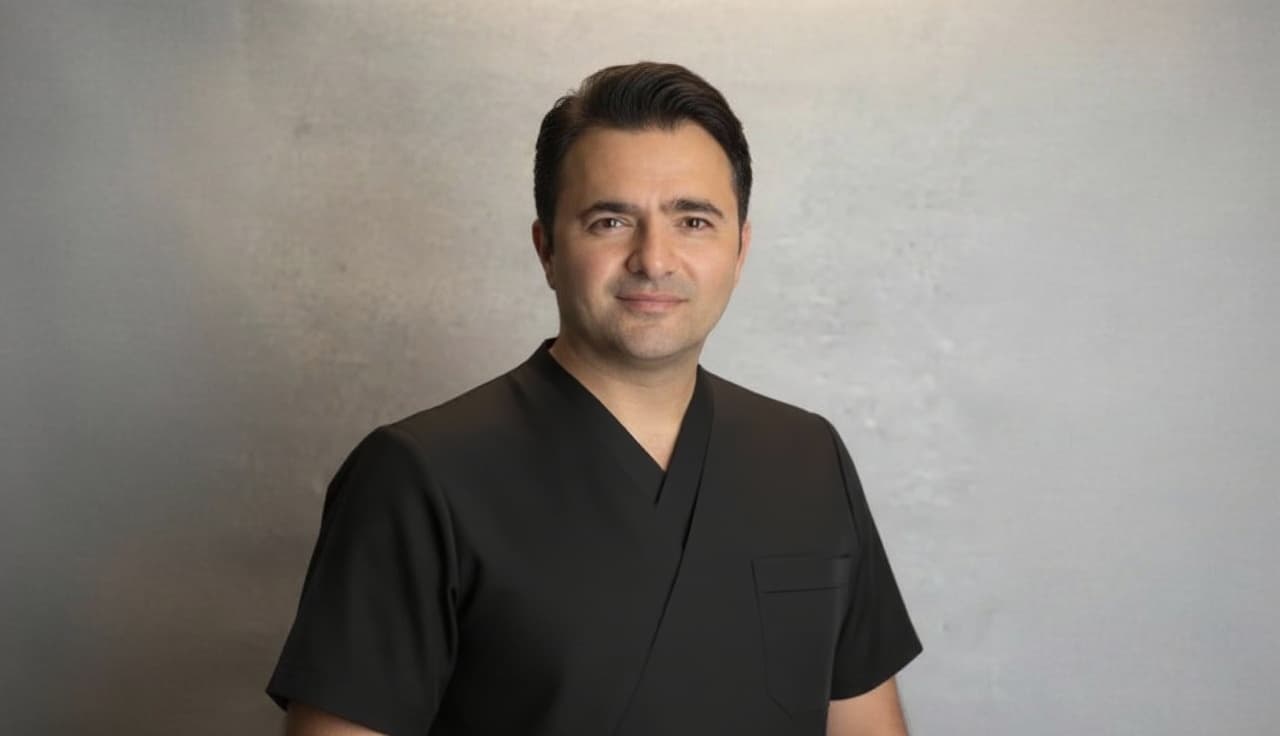
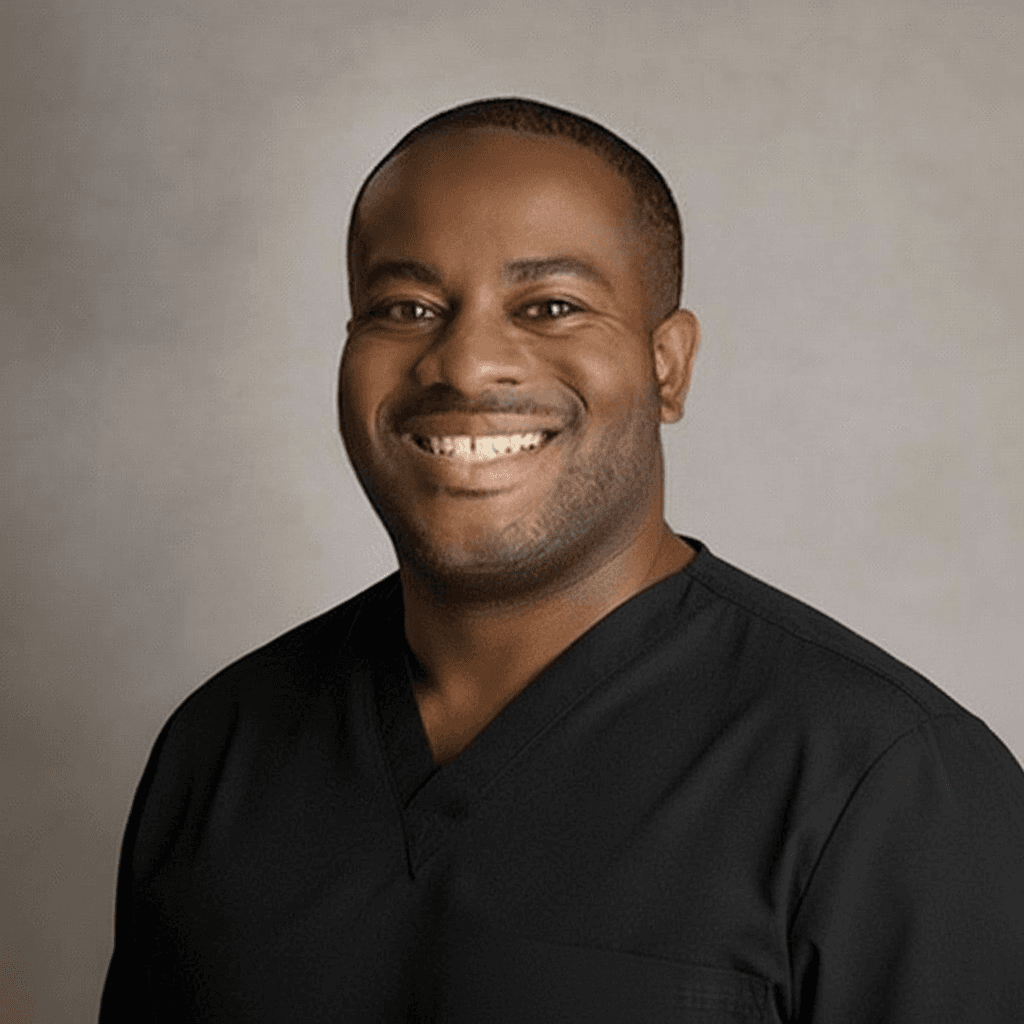

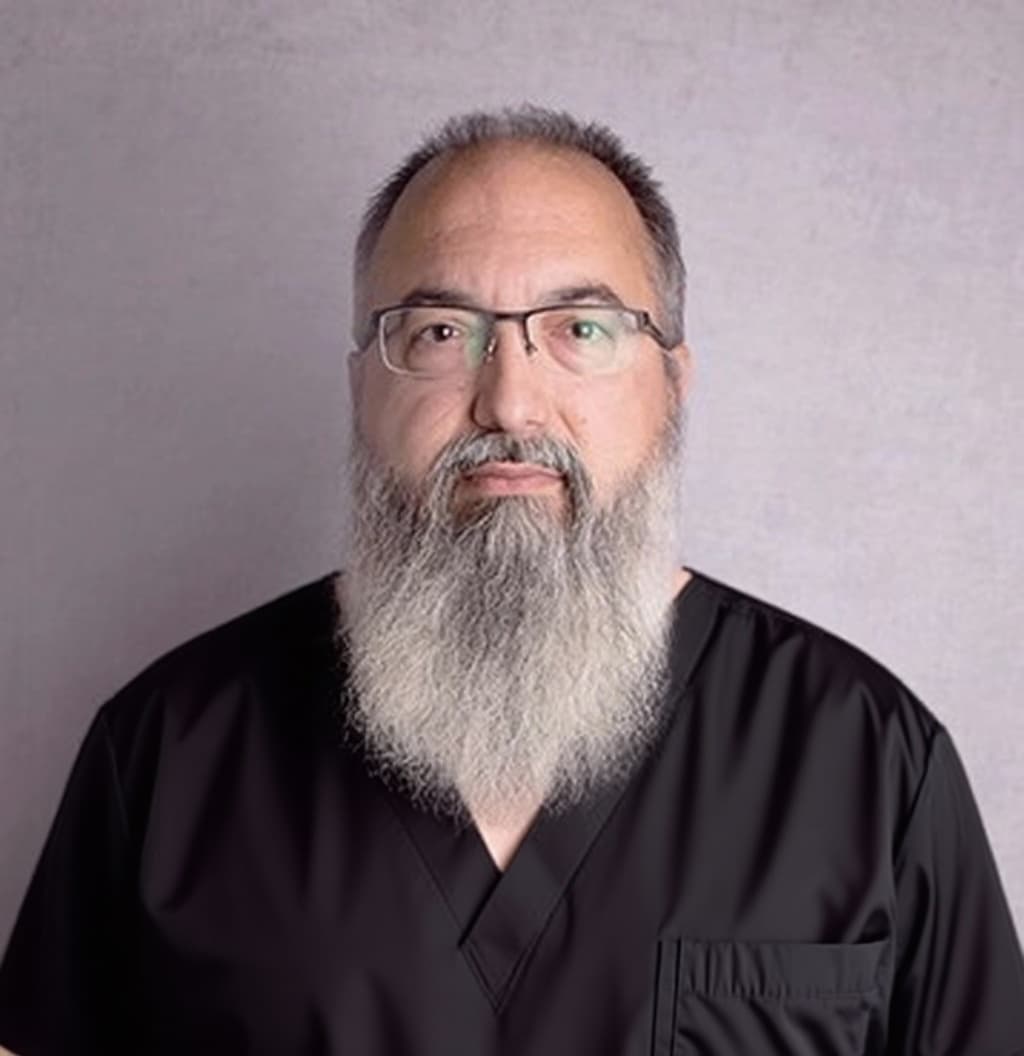
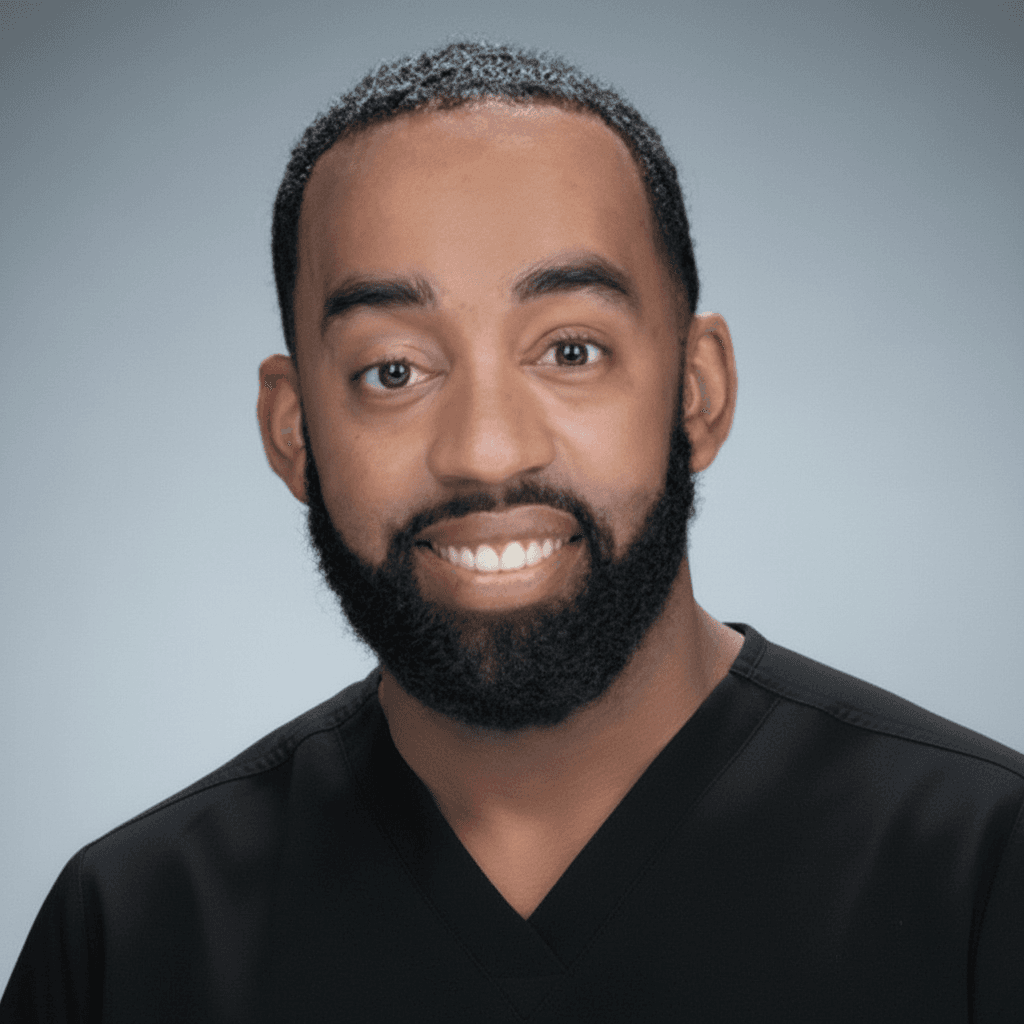
Reviewed by our world-class neurosurgical team.
Making the Most Important Decision
The choice of who will operate on your spine carries weight that's difficult to overstate. Your spine surgeon's training, experience, judgment, and skill will directly determine whether you achieve the pain relief and functional restoration you're seeking, or whether you face complications, inadequate results, or prolonged recovery. It's a decision that deserves careful thought and thorough investigation.
Many patients approach this decision passively, accepting the first surgeon their primary care doctor recommends or choosing based on whoever can see them soonest. Online reviews provide some information, but they're often written by patients with limited medical knowledge evaluating factors like bedside manner or office wait times rather than surgical skill and outcomes. Referrals from friends or family members can be valuable, but their experiences may not predict yours, especially if their conditions and procedures differed from what you're facing.
The most valuable tool you have is the consultation itself. The questions you ask and the answers you receive provide direct insight into a surgeon's experience, philosophy, communication style, and commitment to patient-centered care. These conversations reveal far more than any online research ever could. Coming prepared with the right questions transforms a consultation from a passive information-receiving session into an active evaluation of whether this surgeon is the right partner for your care journey. Review our physicians' backgrounds before your appointment.
Question One: Experience With Your Specific Condition
Why Surgical Volume Matters
In spine surgery more than almost any other surgical field, volume and experience directly correlate with outcomes. This isn't subtle—studies tracking tens of thousands of spine surgeries show that surgeons who perform high volumes of specific procedures achieve better results, fewer complications, shorter operative times, lower infection rates, and better long-term outcomes than surgeons who perform the same procedures occasionally. The North American Spine Society and research in PubMed extensively document this correlation.
The relationship is intuitive when you think about it. A surgeon performing fifty lumbar fusions annually has encountered virtually every variation of anatomy, addressed countless unexpected challenges, refined their technique through repetition, and developed the muscle memory and judgment that comes only with extensive practice. A surgeon performing five fusions annually, even if well-trained, simply hasn't accumulated the same depth of experience. Complications that might surprise a low-volume surgeon are anticipated and avoided by high-volume surgeons who've seen them before.
This doesn't mean you need the surgeon with the absolute highest volume in the state. But it does mean that within reasonable geographic constraints, seeking a surgeon who performs your specific procedure regularly—at least twenty to fifty times annually for complex procedures, more for simple ones—dramatically improves your likelihood of an excellent outcome.
What to Ask and How to Interpret Answers
Start with direct questions. "How many patients with my condition have you treated?" gives you a sense of breadth. A surgeon who's treated hundreds of patients with degenerative disc disease at your specific level has seen the full spectrum of severity and complication. "How many of these specific procedures do you perform annually?" reveals current, ongoing volume rather than career totals. Techniques evolve, and current high-volume practice matters more than procedures performed decades ago.
"What are your complication rates for this procedure?" is a question many patients hesitate to ask, fearing it seems confrontational. But excellent surgeons welcome it and can provide specific numbers. They track their outcomes, compare them to published national averages, and use that data to identify areas for improvement. If a surgeon can tell you their infection rate for lumbar fusion is 0.8 percent compared to a national average of 2.5 percent, that's meaningful information. If they become defensive or claim they don't track outcomes, that's concerning.
"Can you share outcome data for patients like me?" gets even more specific. Success rates vary by condition. A surgeon might have excellent outcomes for simple disc herniations but only moderate results for complex revisions. Understanding their success with your specific problem helps you make an informed choice.
The surgeon's response style matters as much as the specific numbers. Confidence without arrogance, openness about both successes and challenges, and willingness to discuss outcome data frankly all signal a surgeon who prioritizes evidence-based practice and patient partnership.

Question Two: Understanding All Your Options
The Conservative-First Philosophy
Surgery should never be the first option—it should be the last resort after conservative treatments have been genuinely exhausted. An excellent spine surgeon embodies this philosophy not just in words but in practice. They view surgery as one tool in a comprehensive toolkit, not as the only solution or their default recommendation. This conservative-first approach protects patients from unnecessary operations while ensuring that when surgery is recommended, it's truly necessary.
The distinction matters because incentives can create bias. Surgeons make their living performing surgery, creating subtle pressure—often unconscious—to recommend the treatment they're best equipped to provide. Excellent surgeons resist this bias through commitment to evidence-based practice and patient-centered care. They recommend what's best for you, even if that means you don't need their services.
Questions That Reveal Treatment Philosophy
Ask directly: "What non-surgical options are available for my condition?" An excellent surgeon will discuss physical therapy not as something you should "just try" but as a comprehensive approach involving specific exercises, manual therapy, movement re-education, and functional training over an adequate timeline—typically six to twelve weeks with two to three sessions weekly. They'll explain medication options beyond basic ibuprofen, including prescription NSAIDs, muscle relaxants, neuropathic pain medications, and appropriate short-term pain management.
"Have I exhausted conservative treatments, or are there others to try?" is particularly revealing. Some patients come to surgical consultations having tried only one or two sessions of physical therapy, or having taken over-the-counter medication inconsistently. A surgeon committed to conservative-first care will identify these gaps and recommend completing appropriate conservative treatment before considering surgery. Others may have truly exhausted all reasonable options, and the surgeon should acknowledge that and explain why surgery now makes sense.
If surgery is recommended, "What are the different surgical approaches?" tests whether the surgeon is considering your full range of options or defaulting to the procedure they're most comfortable with. Many conditions can be addressed through multiple techniques—traditional open surgery, minimally invasive approaches, fusion versus disc replacement, single versus multi-level treatment. A surgeon discussing these alternatives demonstrates comprehensive thinking rather than one-size-fits-all recommendations.
"What happens if I choose not to have surgery?" is perhaps the most important question. The answer reveals whether your condition requires urgent intervention or whether delaying is reasonable. Some situations—cauda equina syndrome, rapidly progressive neurological deficits—demand urgent surgery. But most spine conditions don't. If a surgeon creates artificial urgency or becomes dismissive when you mention wanting to think about it, that's concerning. Excellent surgeons respect that this is your decision and support whatever timeline you need to make it confidently.
Question Three: Understanding Risk and Realistic Expectations
The Balance of Risk and Benefit
Every surgical procedure carries risks—this fundamental truth should never be minimized or dismissed. The decision to proceed with surgery hinges on whether the potential benefits outweigh those risks for your specific situation. An excellent surgeon helps you understand both sides of this equation honestly, providing the information you need to make an informed choice.
Ask directly: "What are the most common complications with this procedure?" Common complications—those occurring in one to ten percent of patients—typically include temporary increased pain as tissues heal, muscle spasms, difficulty sleeping in the first weeks, fatigue during recovery, and the possibility that pain relief might be incomplete rather than total. These aren't catastrophic, but they're real possibilities you should anticipate.
"What are the serious but rare complications I should know about?" addresses the uncommon events that occur in 0.1 to one percent of patients—infection, blood clots, nerve injury causing new numbness or weakness, spinal fluid leaks, or hardware failure. Rare but serious complications occurring in fewer than one in a thousand patients include paralysis, stroke, severe infection, or death. These are frightening to contemplate, but understanding they're possible, however unlikely, is part of informed consent.
Personalizing Risk Assessment
Perhaps most important is asking, "What is my personal risk based on my health, age, and condition?" Generic statistics have limited value. A healthy forty-year-old non-smoker having a simple microdiscectomy faces very different risks than a seventy-year-old diabetic smoker having a multi-level revision fusion. Age, overall health, smoking status, diabetes, heart disease, obesity, previous surgeries, and the specific procedure planned all affect your individual risk profile. A surgeon discussing these factors specifically demonstrates personalized risk assessment rather than generic information.
"What is the success rate for this procedure for my specific problem?" and "How do you define success for this surgery?" reveal crucial information about expected outcomes. Success might mean complete pain elimination, or it might mean fifty percent pain reduction with improved function. Understanding what "success" realistically means prevents disappointment when you're not "perfect" after surgery despite having what the surgeon considers an excellent result.
"What is the worst-case scenario?" seems pessimistic, but it's practical. Understanding the worst possibility—even if unlikely—helps you prepare mentally and make contingency plans. If the worst case is inadequate pain relief requiring additional surgery, that's very different from worst case being paralysis or death. Both are possible, but their likelihood differs dramatically by procedure and patient factors.
Question Four: Planning for Recovery
Why Detailed Recovery Information Matters
Recovery planning affects every aspect of your life—work arrangements, childcare, home help, financial planning, and mental preparation. Surgeons who provide detailed, specific recovery information help you plan effectively. Those who offer vague reassurances that you'll "do fine" leave you unprepared for the reality of post-operative limitations.
Ask specifically: "How long will I be in the hospital?" followed by "What will my pain level be like after surgery?" Honest answers acknowledge that pain is expected but should be manageable with medication. Surgeons who claim you'll have "minimal pain" are either being dishonest or their definition of minimal differs dramatically from yours. "When can I return to work?" requires specification of your actual job duties. Returning to a desk job after two weeks is very different from returning to construction work after three months.
"What activities will I need to avoid and for how long?" should generate specific lists, not vague generalities. You need to know whether you can lift your toddler, when you can drive, whether you can sleep on your stomach, when sexual activity is safe, when you can exercise, and what restrictions persist long-term. "Will I need physical therapy?" and "What equipment or help will I need at home?" help you arrange necessary support. "What does the typical recovery timeline look like week by week?" provides a roadmap for what to expect at each stage.
Interpreting Recovery Projections
Surgeons who provide detailed, realistic timelines based on their experience with patients like you demonstrate both expertise and honesty. Those offering overly optimistic timelines—claiming you'll be "back to normal in just a few weeks"—either lack experience with realistic recovery or are telling you what you want to hear rather than the truth. Neither is acceptable. Recovery takes time, and you deserve accurate information to plan appropriately.

Question Five: When Things Don't Go as Planned
The Reality of Surgical Outcomes
Even with excellent surgeons performing appropriate procedures on well-selected patients, ten to twenty percent don't achieve adequate relief. This isn't always anyone's fault—sometimes biology doesn't cooperate, sometimes the pain source was misidentified, sometimes adjacent levels develop problems, sometimes healing doesn't proceed as expected. Understanding what happens if you're in that unlucky percentage is crucial before proceeding.
Ask directly: "What percentage of patients need revision surgery?" Honest surgeons can provide specific numbers for the procedure you're considering. Revision rates vary dramatically by procedure—simple disc herniations have very low revision rates while complex fusions have higher ones. "If this doesn't solve my problem, what are the next steps?" should generate a thoughtful discussion of alternatives—additional conservative treatment, different surgical approaches, pain management strategies, or acceptance and adaptation.
"Do you perform revision surgeries if needed?" reveals whether this surgeon will continue caring for you if things don't go perfectly. Some surgeons excel at primary procedures but refer revisions elsewhere. That's not necessarily wrong, but you should know it in advance. "What could go wrong that might require another surgery?" and "How long do we wait to determine if surgery was successful?" provide information about timelines and decision points.
Commitment to Long-Term Partnership
The surgeon's willingness to discuss revision scenarios openly, provide honest statistics, and commit to ongoing care regardless of outcome reveals character and professionalism. Surgeons who claim their patients never need revisions are either lying or performing so few procedures that they haven't yet encountered the full range of outcomes. Those who become defensive about this question or suggest that poor outcomes are always the patient's fault raise serious concerns about whether they'll support you through challenges.
Other Critical Factors in Your Decision
Credentials and Facility Quality
Board certification isn't just a formality—it represents years of rigorous training, comprehensive examinations, and ongoing education requirements. Ask whether your surgeon is board-certified by the American Board of Neurological Surgery or American Board of Orthopaedic Surgery. These certifications ensure they've met stringent standards and maintain current knowledge through continuing medical education.
The facility where your surgery will be performed matters significantly. Joint Commission accreditation represents the gold standard for surgical centers, indicating they meet rigorous safety and quality standards. Quality facilities have experienced surgical teams, modern equipment, robust infection control protocols, and emergency response capabilities. Better facilities correlate with better outcomes—this isn't theoretical, it's documented in outcomes research.
The Intangibles That Matter
Communication style often predicts the patient-surgeon relationship's success more than technical skill alone. Does the surgeon truly listen to your concerns rather than interrupting or dismissing them? Can they explain complex medical concepts clearly without drowning you in jargon? Do they welcome questions or seem impatient with them? Do they respect your preferences and values, acknowledging that you're the ultimate decision-maker about your own body? Do you feel comfortable with them—not necessarily best friends, but comfortable enough to be vulnerable and ask difficult questions?
These intangibles are hard to quantify but crucial to a successful partnership. If you don't feel heard, respected, and comfortable, find another surgeon. Technical excellence matters, but so does the relationship, particularly because spine surgery recovery requires months of interaction with your surgical team.
The Value of Team-Based Care
The best spine care isn't delivered by solo practitioners but by comprehensive teams. Does the practice include multiple surgeons who can provide second opinions or cover emergencies? Are physical therapists available to integrate rehabilitation seamlessly with surgical planning? Do pain management specialists handle complex cases where pain persists despite surgery? Are advanced practice providers—physician assistants and nurse practitioners—available for routine follow-up, reducing wait times and ensuring accessibility?
Team-based care means you're not dependent on one individual's availability and expertise. It means your surgeon collaborates with colleagues, benefiting from collective wisdom rather than sole judgment. It means comprehensive services are coordinated rather than fragmented across multiple unconnected providers.
Emergency coverage deserves explicit discussion. Who handles problems when your surgeon is on vacation or unavailable? How do you reach someone after hours if you're experiencing concerning symptoms? What hospital should you go to if emergency intervention becomes necessary? These aren't pleasant topics, but having clear answers before surgery provides peace of mind if complications arise. The North American Spine Society recommends these questions as part of comprehensive surgical planning.
Our Commitment to Patient Partnership
At Legacy Neurosurgical & Spine Centers, we welcome these questions—in fact, we encourage them. Patients who come prepared with thorough questions demonstrate engagement and partnership that we value. We want you to feel confident in your choice, and that confidence comes from having complete, honest information.
Our commitment starts with transparency. We provide detailed information about our surgeons' experience, our practice's outcomes, and our complication rates. We don't hide behind vague reassurances—we give you numbers, context, and honest assessment of how our results compare to national benchmarks. This transparency reflects confidence in our quality and respect for your right to make informed decisions.
We practice conservative-first care genuinely, not just in marketing materials. Many patients come to us expecting surgical recommendations and leave with prescriptions for physical therapy or referrals for additional conservative treatments. Some never need surgery. Others return months later after exhausting conservative options, and we're ready to help. Our goal isn't maximizing surgical volume—it's optimizing patient outcomes, whether that requires surgery or not.
Our board-certified neurosurgeons have performed over five thousand spine procedures collectively, accumulating expertise across the full spectrum of spinal conditions. This volume and experience mean we've encountered virtually every variation, complication, and challenge. We know what works, what doesn't, and how to handle unexpected situations because we've seen them before. Experience can't be taught in textbooks—it's earned through years of practice.
When Honest Counsel Means Turning Patients Away
We'll tell you if surgery isn't the best option, even when that means you seek care elsewhere. Some patients come hoping for surgical solutions to problems surgery can't fix. Others have medical conditions that make surgical risks unacceptably high. Still others would be better served by pain management, physical therapy, or simply time and adaptation. Telling patients "no" to surgery isn't profitable in the short term, but it builds the trust and reputation that matter more than any single procedure.
From initial consultation through complete recovery and beyond, our team supports you at every step. Board-certified neurosurgeons oversee your care, but you'll also work with physician assistants, nurse practitioners, physical therapists, and patient care coordinators who ensure seamless, comprehensive service. You're not passed off to staff after surgery—your surgeon remains involved, but you benefit from a team's collective expertise and availability.
Our nine Joint Commission-accredited surgical centers across the Atlanta area feature the latest technology—intraoperative navigation systems, advanced imaging, minimally invasive instruments, and comprehensive monitoring equipment. Modern technology enables better outcomes, but only when wielded by experienced teams in quality facilities. We've invested in both the equipment and the expertise to use it optimally.

The Wisdom of Second Opinions
If you're considering spine surgery, seeking a second opinion isn't insulting to your surgeon—it's smart healthcare. Complex medical decisions benefit from multiple perspectives. At Legacy, we welcome patients seeking second opinions, whether you've been recommended for surgery elsewhere and want confirmation, or you've been told you need surgery and want to know if alternatives exist.
We provide objective analysis of recommendations from other surgeons. Sometimes we agree, validating that surgery is appropriate. Sometimes we offer different perspectives—perhaps a different surgical approach, perhaps recommending additional conservative treatment, perhaps confirming that surgery isn't necessary. We never pressure you to proceed with surgery when we offer different advice. Our goal is helping you make the best decision, not performing your procedure. Resources like OrthoInfo can help you research your condition before consultations.
Many patients who come for second opinions ultimately choose us for their care because they appreciate our thoroughness, honesty, and patient-centered approach. Others return to their original surgeon feeling more confident in that recommendation after hearing a second opinion confirm it. Both outcomes serve you well—confidence in your decision matters more than where you ultimately have surgery.
Empowering Yourself Through Information
Being an informed, engaged patient doesn't just make you feel better about the process—it actually improves outcomes. Research shows that patients who actively participate in treatment decisions, who understand their conditions and treatment options thoroughly, and who engage fully in rehabilitation achieve better results than passive patients who simply accept recommendations without question.
By asking these five essential questions along with others specific to your situation, you gain the information needed to make decisions confidently. You transform from a passive recipient of healthcare to an active partner in your treatment. You hold your surgical team accountable to high standards. You set appropriate expectations that prevent disappointment when recovery follows a normal timeline rather than an unrealistically optimistic one.
Your Consultation Awaits
Ready to have a transparent conversation about your spine care with surgeons who welcome tough questions and provide honest answers? We offer free consultations with our board-certified neurosurgeons at all nine locations across the Atlanta area—Atlanta, Marietta, Riverdale, Peachtree City, Carrollton, Cartersville, Columbus, Rome, and Tucker.
Call (770) 291-8987 or schedule online at the location most convenient for you. Come prepared with your questions—in fact, write them down beforehand so you don't forget in the moment. Bring your imaging studies if you have them. Bring family members who can help you remember information and ask questions you might not think of. Learn more about our care planning process before your visit. Expect a thorough discussion, honest answers, and a surgeon who respects your right to make informed decisions about your own body.
Choosing a spine surgeon is too important a decision to rush or approach passively. Take control by asking the right questions, evaluating the answers carefully, and trusting your instincts about whether you've found the right partner for your spine care journey.
This article provides guidance on choosing a spine surgeon but is not medical advice. Individual treatment decisions should be made after comprehensive evaluation and discussion with a qualified healthcare provider.