Expert spinal arthritis treatment in Atlanta
Inflammation management and mobility restoration driven by image-guided injections, joint-preserving procedures, and tailored movement plans.
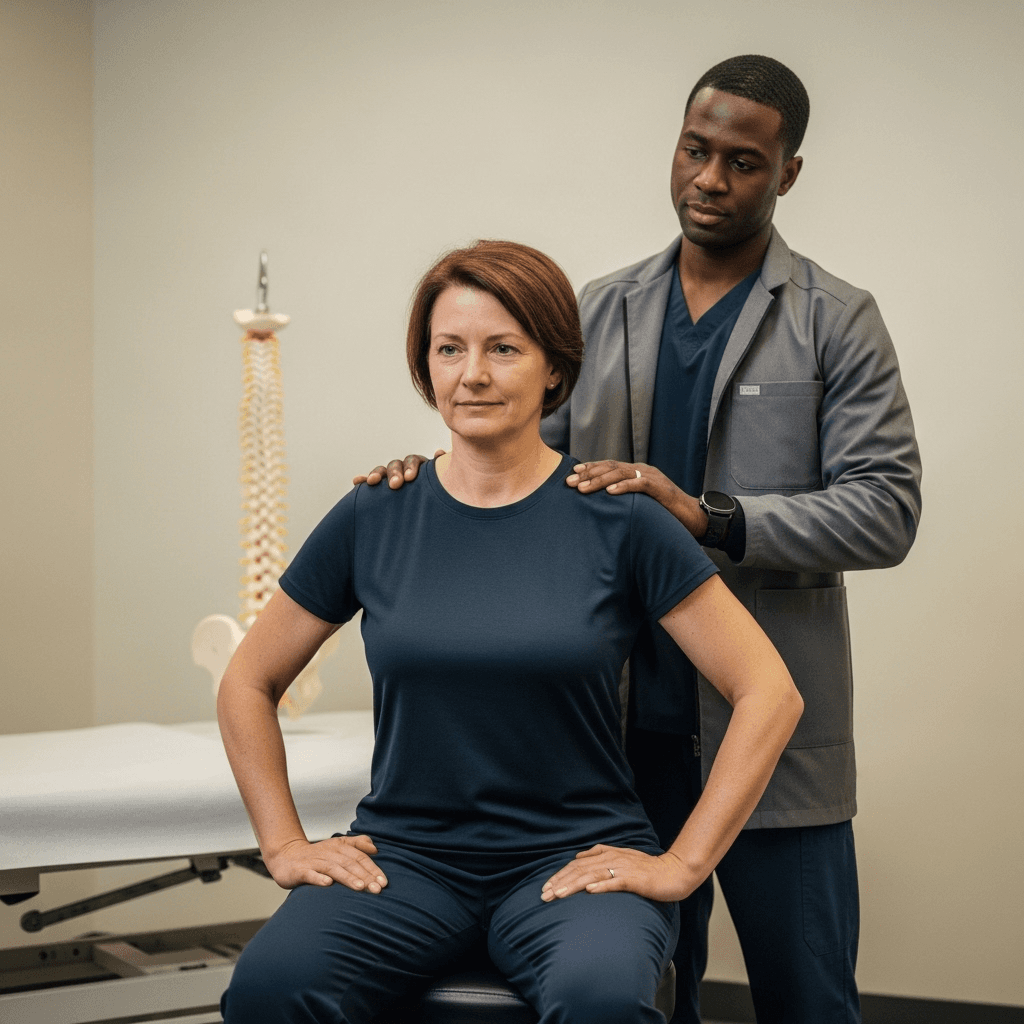
Morning stiffness that takes an hour to work out. The grinding sensation when you move. The constant background ache that flares into sharp pain. Spinal arthritis is more than just 'getting older'—it's a progressive condition that steals your mobility and independence if left untreated. But it doesn't have to be this way. At Legacy Brain and Spine, our interventional procedures offer lasting relief without surgery. Facet joint injections and radiofrequency ablation can provide 6-12 months or more of significant pain reduction, helping you stay active and maintain the lifestyle you love. Don't let arthritis write your story.
Overview
Spinal arthritis (osteoarthritis of the spine) is wear-and-tear arthritis affecting the facet joints and discs. It can cause pain, stiffness, and reduced mobility. Legacy offers comprehensive treatment including advanced interventional procedures and when necessary, surgical options.

Expert care for spinal arthritis
Advanced interventional treatment for spinal arthritis providing lasting pain relief. Our facet joint injections and radiofrequency ablation procedures deliver sustained relief for 6-12 months or longer, restoring mobility and quality of life.
Common Symptoms
Spinal arthritis creates a distinctive symptom pattern—morning stiffness that improves with movement, pain that worsens with back extension, and deep, achy discomfort rather than sharp, shooting pain. These features help distinguish arthritis from disc or nerve problems. While arthritis is degenerative and progressive, modern interventional treatments provide lasting relief without major surgery, allowing you to maintain activity levels and quality of life.
Back pain and stiffness, worse in morning
Severe stiffness upon waking requires 30-60 minutes of movement to loosen up, typical of osteoarthritis patterns. Overnight immobility allows joints to stiffen dramatically, creating intense morning pain that improves as you move and 'warm up' the spine.
Pain that improves with movement
Unlike disc pain that worsens with activity, arthritic pain actually feels better after gentle movement starts lubricating the joints. However, excessive activity later causes increased pain as inflamed joints fatigue and accumulate mechanical stress.
Reduced flexibility and range of motion
Progressive loss of ability to bend, twist, and rotate the spine from joint deterioration and bone spur formation. This increasing rigidity makes daily tasks like tying shoes, reaching overhead, or looking behind you while backing up increasingly difficult.
Grinding or popping sensation
Audible or palpable crepitus during spine movement indicates bone-on-bone contact from loss of cartilage cushioning. These grinding sensations often accompany pain and can be felt by placing your hand on your back during movement.
Radiating pain if nerves compressed
Advanced arthritis with bone spurs can narrow nerve passages, causing leg pain, numbness, or weakness. This development transforms simple arthritis pain into more complex radiculopathy requiring additional treatment considerations.
Weakness if spinal stenosis develops
Severe arthritis leading to spinal canal narrowing creates progressive leg weakness, balance problems, and difficulty walking. These neurological symptoms indicate advanced disease with nerve compression requiring urgent evaluation for surgical decompression.
Common Causes
Spinal arthritis results from decades of mechanical stress breaking down joint cartilage. While aging is the primary factor, certain risk factors accelerate the process. Previous injuries, obesity, repetitive occupational stress, and genetics all influence who develops symptomatic arthritis and how rapidly it progresses. Understanding these factors guides both treatment and lifestyle modifications to slow progression while managing current symptoms.
Age-related wear and tear
Decades of movement gradually wear away protective cartilage in facet joints, exposing bone surfaces. This natural aging process accelerates after age 40, with cumulative mechanical stress eventually breaking down even healthy joints in most people.
Previous spinal injuries
Trauma from accidents, falls, or sports can damage facet joints and accelerate arthritis development. Even fully healed injuries often leave joints more vulnerable to degenerative changes that appear years later.
Genetic factors
Some individuals inherit predisposition to earlier or more severe arthritis due to variations in cartilage structure and inflammatory response. Family history of arthritis significantly increases your likelihood of developing spinal osteoarthritis.
Repetitive stress on spine
Occupations or activities involving repetitive bending, lifting, or twisting accelerate joint wear. Construction workers, nurses, and athletes often develop spinal arthritis earlier and more severely than those with less physically demanding lifestyles.
Obesity and increased spinal load
Excess body weight places constant increased stress on spinal joints, accelerating cartilage breakdown. Additionally, obesity promotes systemic inflammation that further contributes to arthritis development and progression throughout the spine.
Treatment Options
Exercise and physical therapy - Low-impact activities like swimming, walking, and specific stretching to maintain mobility without aggravating arthritic joints
Weight management - Reducing excess weight to decrease mechanical stress on arthritic spine joints and slow progression
Anti-inflammatory medications - Long-term medication strategies to control inflammation and manage chronic arthritis pain
Facet joint injections - Direct injection of corticosteroids into arthritic joints for diagnostic confirmation and therapeutic relief lasting weeks to months
Radiofrequency ablation - Heat-based procedure that deactivates pain nerves supplying arthritic facet joints, providing 6-12+ months of significant relief
Decompression surgery if stenosis present - Surgical removal of bone spurs and enlarged joints when arthritis causes nerve compression and conservative care fails
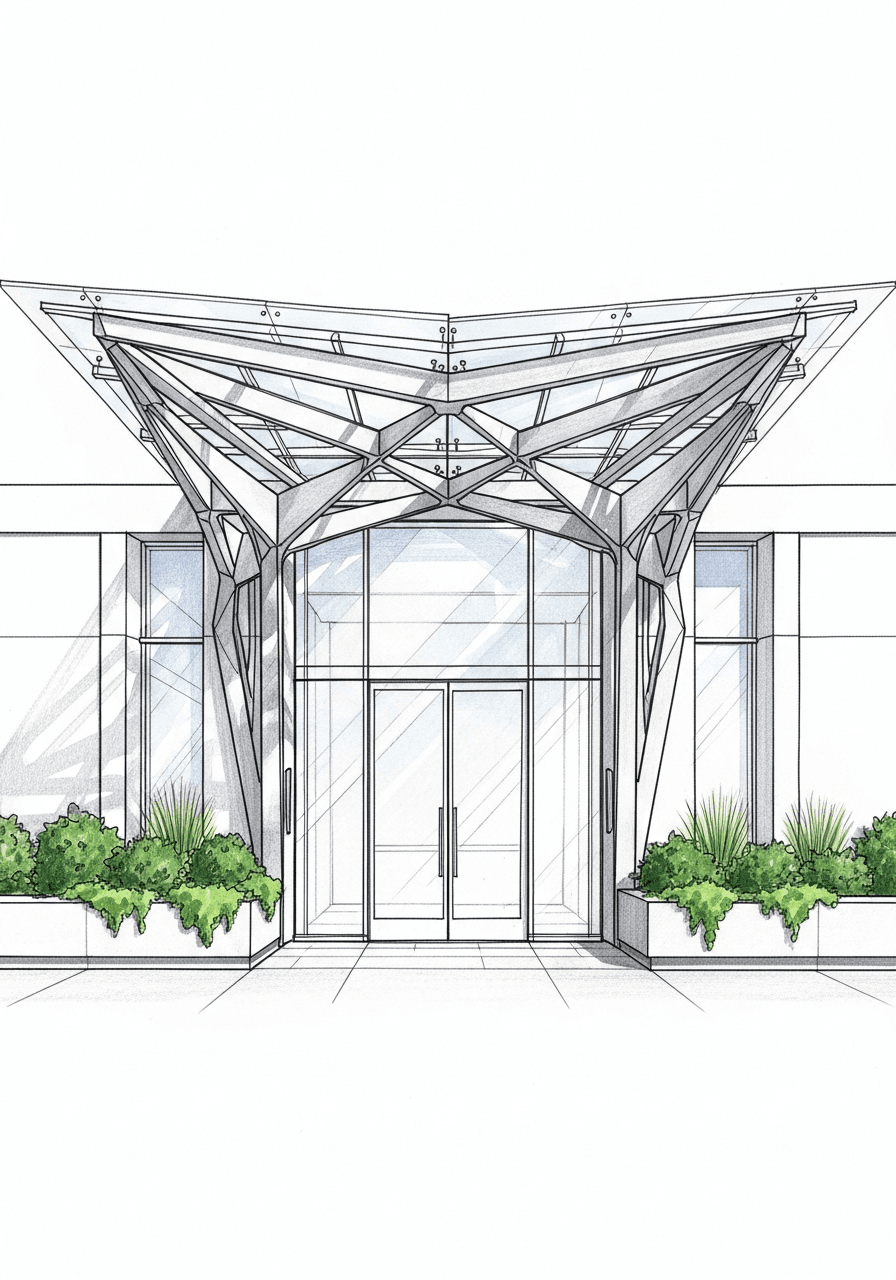
State of the art facilities
Joint Commission Gold Seal certified surgery centers equipped with the latest neurosurgical technology. Our Atlanta and Riverdale facilities offer minimally invasive procedures with concierge recovery suites for optimal patient comfort.
Recovery & Outlook
Management of spinal arthritis is typically ongoing with conservative measures. Interventional procedures like radiofrequency ablation can provide relief for 6-12 months or longer.
Ready to Start Your Treatment Journey?
Our board-certified neurosurgeons are here to provide expert evaluation and personalized treatment plans. Schedule a consultation today to discuss your options.
Schedule ConsultationAccepted by most major insurance carriers and plans.
Many of our physicians are in-network with major insurance plans, including Aetna, Blue Cross Blue Shield, Anthem, UnitedHealthcare, Cigna, and more. Coverage can vary, so feel free to call us—we're happy to check your plan for you.
Find a Physician







Questions about spinal arthritis treatment.
Everything you need to know about diagnosis, treatment options, and recovery.