Comprehensive carpal tunnel treatment in Atlanta
Hand and wrist nerve care with ultrasound-guided diagnosis, ergonomic retraining, and endoscopic release options that speed recovery.
Waking up with numb hands night after night, dropping things, struggling with buttons—carpal tunnel syndrome affects more than just your wrists. At Legacy Brain and Spine, we take a comprehensive approach that many other practices miss: addressing both the wrist compression and potential cervical spine contributions. Our outpatient surgical release procedures offer quick relief with same-day surgery options, so you can get back to using your hands without pain or limitations.
Overview
Carpal tunnel syndrome results from pressure on the median nerve as it passes through the carpal tunnel in the wrist. While primarily a hand condition, it's often related to cervical spine issues. Our comprehensive approach addresses both wrist and neck contributions to symptoms.

Expert care for carpal tunnel
Comprehensive carpal tunnel care addressing both wrist compression and cervical spine contributions. Our outpatient surgical release procedures provide quick relief with same-day surgery options and immediate return to light activities.
Common Symptoms
Carpal tunnel syndrome has a characteristic symptom pattern that distinguishes it from other hand conditions. The specific fingers affected (thumb, index, middle) and worsening at night are telltale signs. Early treatment prevents permanent nerve damage and thumb muscle wasting that can't be reversed, so don't dismiss these symptoms as 'just getting older.'
Numbness or tingling in thumb, index, middle fingers
The median nerve supplies these specific fingers, so compression causes characteristic numbness and pins-and-needles sensations in this distribution. The ring and pinky fingers are typically spared, which helps distinguish carpal tunnel from other nerve problems.
Weakness in the hand
Progressive loss of strength makes gripping, pinching, and fine motor tasks increasingly difficult. You may notice dropping objects, difficulty opening jars, or reduced ability to button clothing as thumb muscles controlled by the median nerve weaken.
Difficulty gripping objects
Reduced hand strength and coordination make holding phones, steering wheels, or tools problematic. This functional impairment affects work and daily activities, often prompting people to finally seek treatment.
Pain radiating up the arm
While carpal tunnel primarily affects the hand, pain can travel up the forearm toward the elbow or even shoulder. This proximal pain is less common but can occur with severe or long-standing nerve compression.
Symptoms worse at night
Nighttime symptoms are characteristic of carpal tunnel syndrome, often waking you from sleep. Fluid accumulation and wrist positions during sleep increase pressure in the carpal tunnel, intensifying numbness and pain that improves with shaking the hand.
Shock-like sensations in fingers
Sudden electric jolts or buzzing feelings in the thumb and fingers indicate acute nerve irritation. These shocking sensations can be triggered by wrist movements, gripping, or vibration, becoming more frequent as compression worsens.
Common Causes
Carpal tunnel syndrome results from a combination of factors—anatomy, occupation, and sometimes cervical spine issues. At Legacy, we don't just release the carpal ligament; we evaluate your entire nerve pathway from neck to fingertips. This comprehensive approach addresses the 'double crush' phenomenon where neck problems make the median nerve more vulnerable to wrist compression.
Repetitive hand motions
Constant typing, assembly work, or tool use causes inflammation and swelling within the confined carpal tunnel. This repetitive stress gradually builds up over months or years, progressively compressing the median nerve and causing symptoms.
Wrist anatomy and smaller carpal tunnel
Some individuals are born with naturally smaller carpal tunnels that provide less space for the median nerve. This anatomical predisposition means even normal activities can cause nerve compression that others wouldn't experience.
Inflammatory conditions like rheumatoid arthritis
Autoimmune disorders cause chronic inflammation in wrist joints and surrounding tissues. This persistent swelling reduces available space in the carpal tunnel, gradually increasing pressure on the median nerve.
Fluid retention during pregnancy
Hormonal changes during pregnancy cause widespread fluid retention that accumulates in the carpal tunnel. This temporary swelling compresses the median nerve, typically resolving after delivery but sometimes requiring intervention.
Cervical radiculopathy (neck contribution)
Nerve compression in the neck can sensitize the median nerve, making it more vulnerable to pressure at the wrist. This double crush syndrome means treating only the wrist may provide incomplete relief.
Treatment Options
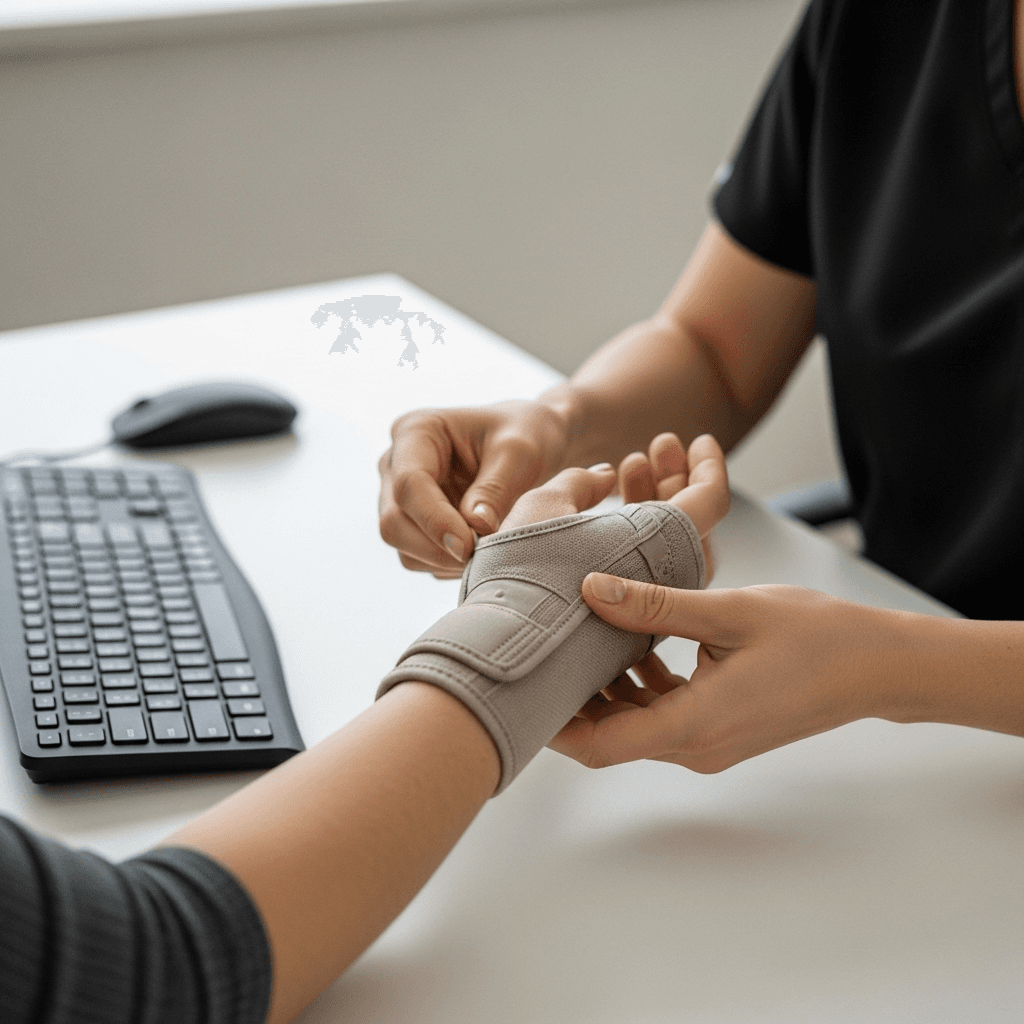
Wrist splinting and rest - Custom wrist braces worn especially at night to keep the wrist in neutral position, reducing pressure on the median nerve
Activity modification - Ergonomic adjustments to workspace and daily activities to minimize repetitive wrist motions and reduce nerve compression
Anti-inflammatory medications - NSAIDs to reduce swelling in the carpal tunnel and temporarily relieve symptoms
Steroid injections - Cortisone injections directly into the carpal tunnel to reduce inflammation and provide several months of relief
Carpal tunnel release surgery - Quick outpatient procedure cutting the ligament pressing on the nerve, providing immediate decompression with minimal downtime
Treatment of associated cervical issues - Comprehensive evaluation and treatment of neck problems that may be contributing to hand symptoms (double crush syndrome)

State of the art facilities
Joint Commission Gold Seal certified surgery centers equipped with the latest neurosurgical technology. Our Atlanta and Riverdale facilities offer minimally invasive procedures with concierge recovery suites for optimal patient comfort.
Recovery & Outlook
Carpal tunnel release surgery is typically performed on an outpatient basis with quick recovery. Most patients can resume light activities immediately, with full strength returning in 2-3 months.
Ready to Start Your Treatment Journey?
Our board-certified neurosurgeons are here to provide expert evaluation and personalized treatment plans. Schedule a consultation today to discuss your options.
Schedule ConsultationAccepted by most major insurance carriers and plans.
Many of our physicians are in-network with major insurance plans, including Aetna, Blue Cross Blue Shield, Anthem, UnitedHealthcare, Cigna, and more. Coverage can vary, so feel free to call us—we're happy to check your plan for you.
Find a Physician







Questions about carpal tunnel treatment.
Everything you need to know about diagnosis, treatment options, and recovery.