Comprehensive lower back pain treatment in Atlanta
Lumbar spine care focused on core stabilization therapy, regenerative medicine options, and surgical excellence for lasting comfort.
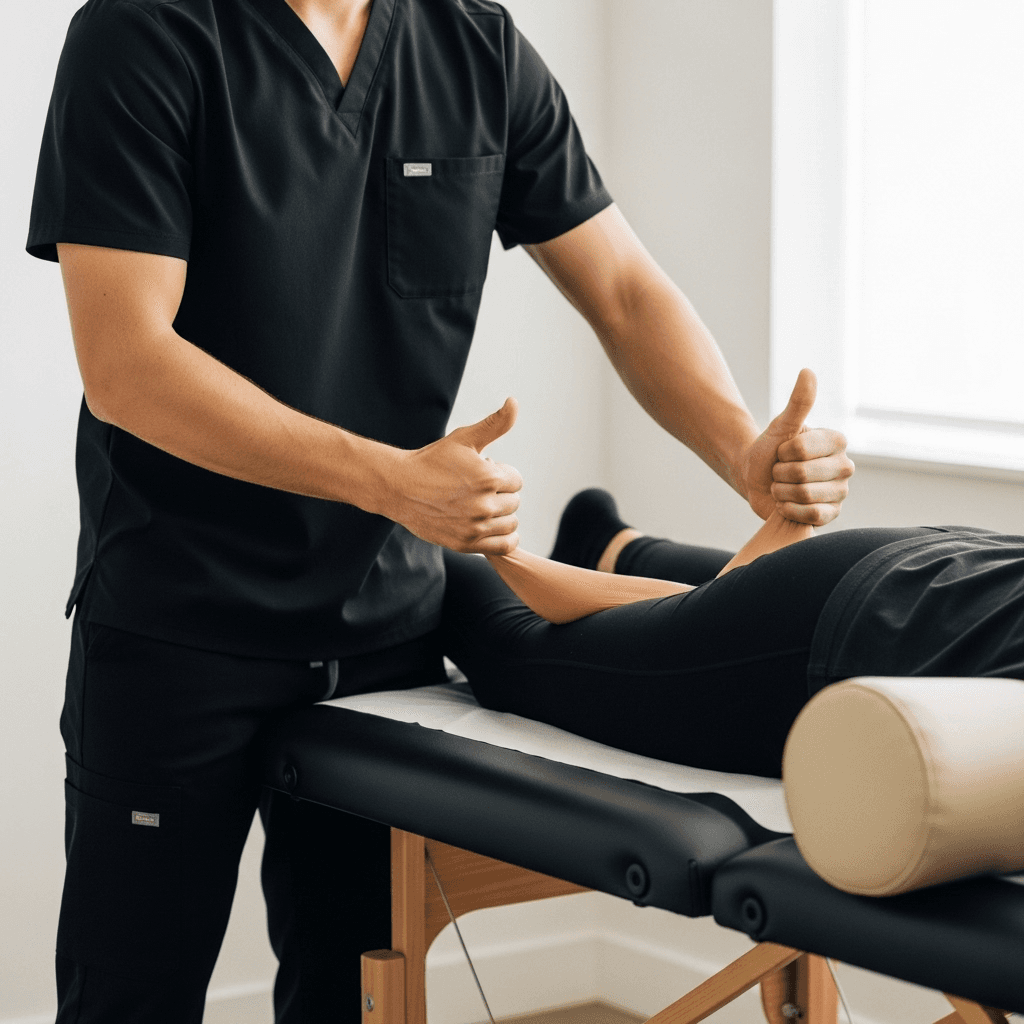
Lower back pain is the great equalizer—it doesn't matter if you're an athlete, office worker, or stay-at-home parent, lumbar pain can sideline anyone. The constant ache, the inability to bend, the fear of re-injury—it all adds up to a diminished quality of life. But you don't have to accept it as normal. At Legacy Brain and Spine, we dig deeper than just treating symptoms. Our comprehensive evaluation identifies the root cause, whether it's facet joint arthritis, disc degeneration, or muscle dysfunction, and we create personalized treatment plans using the latest interventional procedures and minimally invasive surgical techniques.
Our Specialists
Meet the physicians who specialize in treating lower back pain:

Available at these Locations
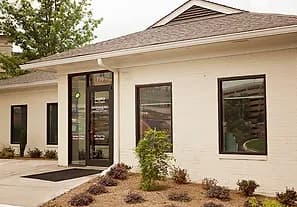
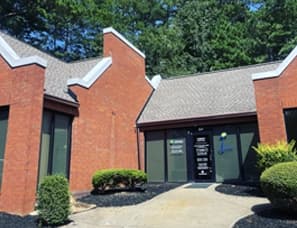
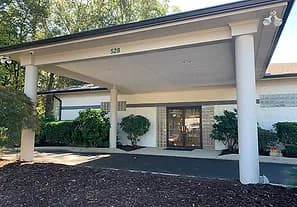
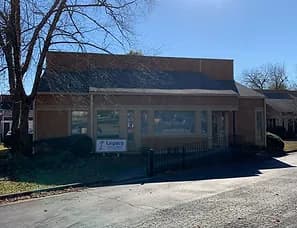
This treatment is available at all of our convenient locations:
Overview
Lower back pain (lumbar pain) is extremely common and can result from various causes. Whether acute or chronic, lumbar spine pain can limit mobility and quality of life. Legacy provides comprehensive evaluation and evidence-based treatments tailored to each patient.

Expert care for lower back pain
Comprehensive lumbar spine care with evidence-based treatment approaches. From physical therapy and interventional procedures to minimally invasive surgery, we provide personalized treatment plans that restore mobility and eliminate pain.
Common Symptoms
Lower back pain symptoms provide crucial clues about the underlying problem. Pain patterns—whether worse with sitting versus standing, morning versus evening, bending versus twisting—help us differentiate disc problems from arthritis, muscle strains from structural issues. Rather than just masking pain, we use your symptom profile to diagnose accurately and treat effectively, addressing the source rather than just the sensation.
Dull, aching pain in lower back
Constant, deep discomfort centered in the lumbar region that persists regardless of position or activity. This chronic aching pain characterizes many lower back conditions and can range from mild annoyance to debilitating intensity affecting all aspects of life.
Pain that worsens with movement
Bending, twisting, lifting, or transitioning between positions dramatically intensifies back pain, making everyday activities challenging. This mechanical pain pattern indicates structural problems in discs, joints, or surrounding tissues that respond to movement and loading.
Stiffness and reduced flexibility
Morning stiffness requires extended time to loosen up, and overall flexibility progressively decreases. This rigidity makes putting on shoes, picking things up from the floor, or bending at the waist increasingly difficult and painful.
Muscle spasms
Involuntary contractions create sudden, intense cramping pain that can lock up your back and prevent movement. These protective spasms attempt to stabilize injured areas but often worsen pain and disability, sometimes lasting days without treatment.
Pain radiating to buttocks or legs
Discomfort extends beyond the lower back into the buttocks or down the legs, indicating nerve irritation or referred pain. While not true sciatica, this radiating component suggests more significant spinal pathology requiring evaluation.
Difficulty standing straight
Severe pain forces a hunched or tilted posture as your body compensates to reduce pressure on painful structures. This postural distortion becomes habitual and can lead to secondary problems in hips, knees, and upper back from asymmetric loading.
Common Causes
Lower back pain stems from many potential sources, often with multiple contributing factors. Distinguishing between disc, facet joint, sacroiliac joint, and muscular causes requires clinical expertise and sometimes advanced imaging or diagnostic injections. Our systematic approach identifies all pain generators, ensuring comprehensive treatment that addresses every source rather than leaving some causes untreated.
Muscle or ligament strain
Overexertion, improper lifting, or sudden movements can tear lumbar muscles and ligaments. These soft tissue injuries cause immediate pain and spasm, typically healing over weeks but potentially becoming chronic if underlying weakness or imbalances persist.
Degenerative disc disease
Age-related disc dehydration and breakdown causes discs to lose height and shock-absorbing ability. This degeneration leads to abnormal motion, inflammation, and pain from the disc itself or secondary effects on surrounding structures.
Facet joint arthritis
The small joints connecting vertebrae develop arthritis from wear and tear, losing cartilage and developing bone spurs. This osteoarthritis creates deep, achy pain that worsens with extension and rotation, often worse in the morning or after activity.
Sacroiliac joint dysfunction
The joints connecting the spine to the pelvis can become inflamed, hypermobile, or restricted. This dysfunction creates lower back and buttock pain that's often mistaken for disc or nerve problems, requiring specific diagnostic and treatment approaches.
Disc herniation
Ruptured discs in the lumbar spine cause pain both from the disc injury itself and from compressed nerve roots. The leaked disc material releases inflammatory chemicals that sensitize pain nerves, even without significant nerve compression.
Spinal stenosis
Narrowing of the lumbar spinal canal compresses nerve roots and the spinal cord's lower extension. This compression creates back pain along with characteristic leg symptoms that worsen with standing and improve with flexion.
Treatment Options
Physical therapy and core strengthening - Personalized exercise program focusing on lumbar stabilization, core activation, and proper body mechanics to support the spine
Pain management medications - Combination of NSAIDs, muscle relaxants, and nerve pain medications tailored to your specific pain pattern and needs
Lumbar epidural injections - Steroid and anesthetic injections into the epidural space to reduce inflammation and provide diagnostic information about pain sources
Facet joint injections - Precise injections into the small joints of the spine to diagnose and treat arthritis-related back pain
Radiofrequency ablation - Minimally invasive procedure using heat to disable pain nerves in the facet joints, providing 6-12 months or more of relief
Minimally invasive lumbar surgery - Advanced surgical techniques for disc problems, stenosis, or instability using small incisions and rapid recovery protocols
State of the art facilities
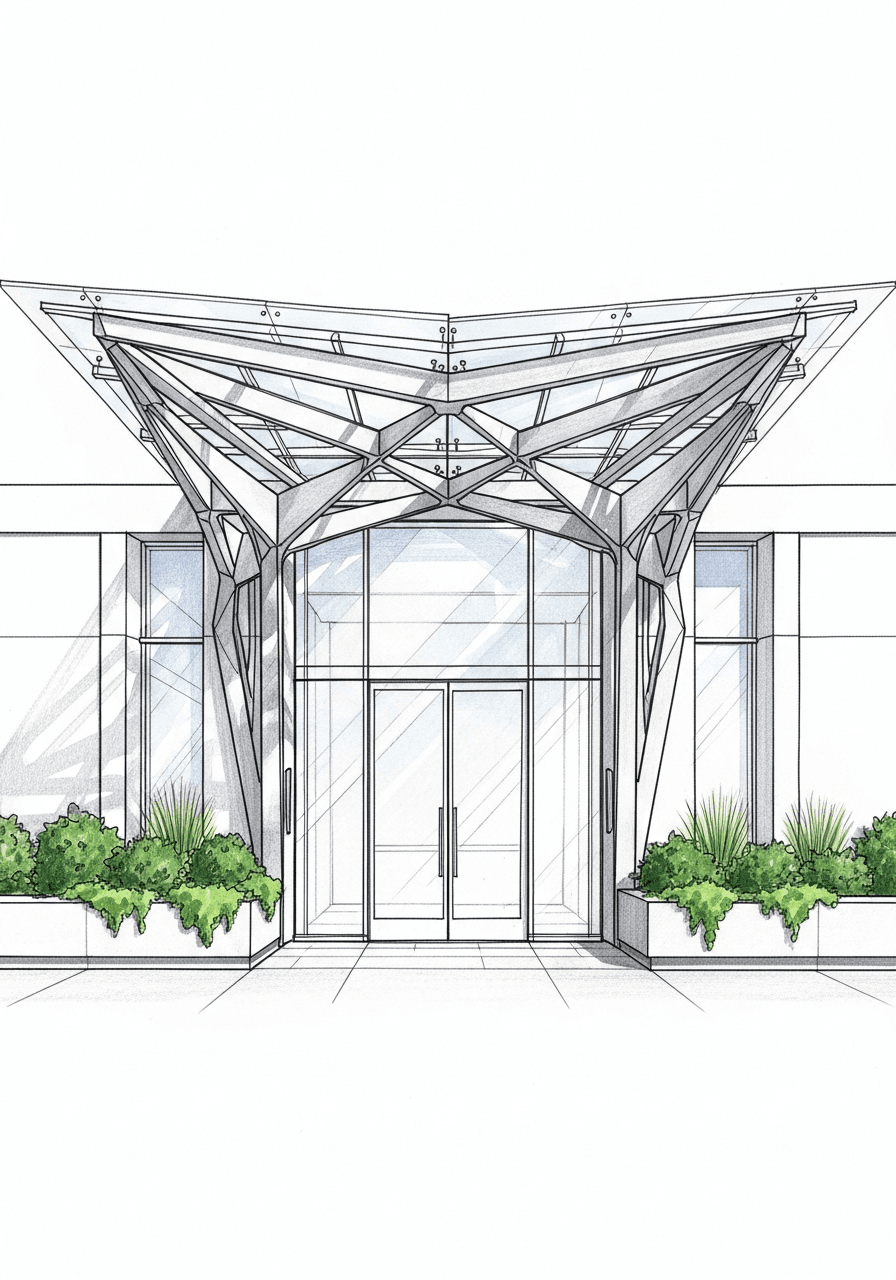
Joint Commission Gold Seal certified surgery centers equipped with the latest neurosurgical technology. Our Atlanta and Riverdale facilities offer minimally invasive procedures with concierge recovery suites for optimal patient comfort.
Recovery & Outlook
Conservative treatment resolves most lower back pain within 6-12 weeks. Patients requiring surgery typically see significant improvement within 2-4 weeks, with continued progress over 3-6 months.
Ready to Start Your Treatment Journey?
Our board-certified neurosurgeons are here to provide expert evaluation and personalized treatment plans. Schedule a consultation today to discuss your options.
Schedule ConsultationAccepted by most major insurance carriers and plans.
Many of our physicians are in-network with major insurance plans, including Aetna, Blue Cross Blue Shield, Anthem, UnitedHealthcare, Cigna, and more. Coverage can vary, so feel free to call us—we're happy to check your plan for you.
Find a Physician







Questions about lower back pain treatment.
Everything you need to know about diagnosis, treatment options, and recovery.