Expert sciatica treatment in Atlanta
Sciatic nerve relief that unites targeted anti-inflammatory care, precision injections, and minimally invasive decompression to stop radiating pain.
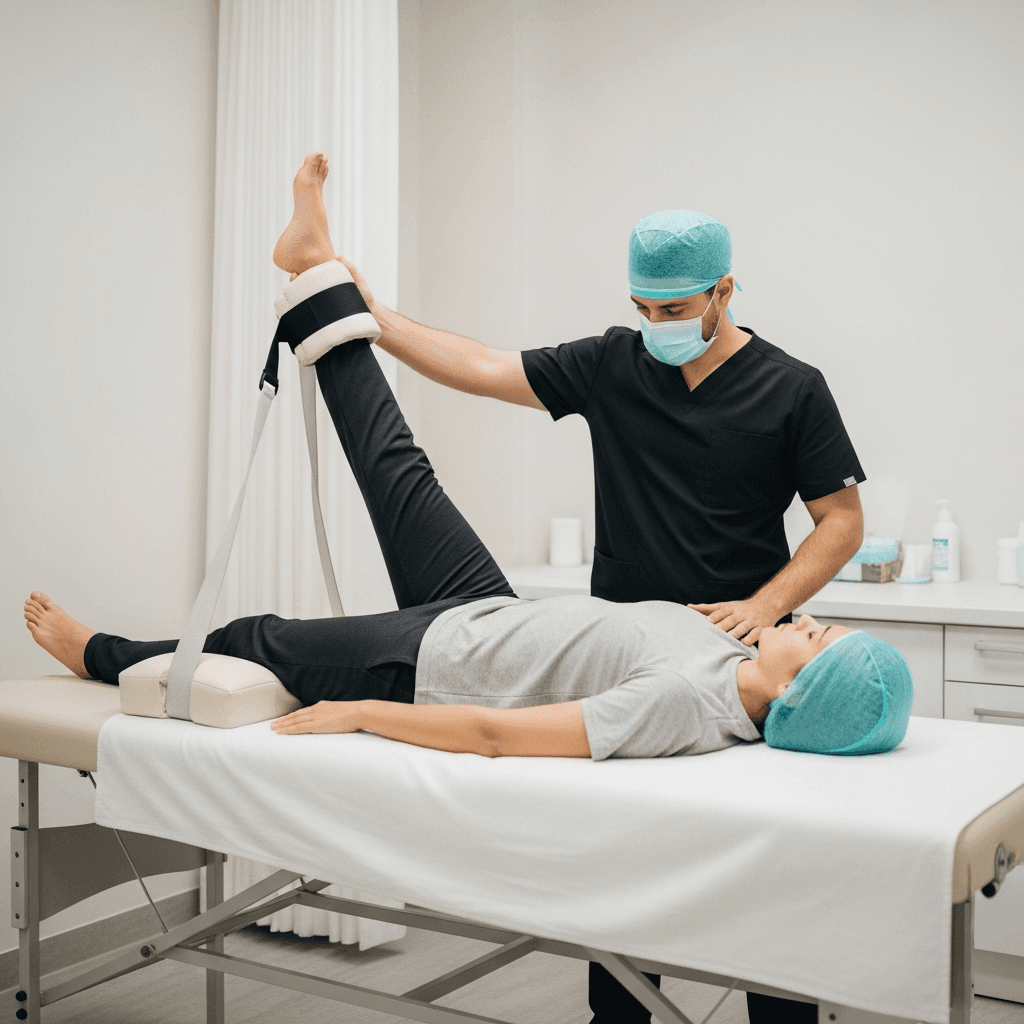
Sciatica isn't just back pain—it's a searing, burning sensation that shoots down your leg, making every step a reminder that something is seriously wrong. Sitting, standing, even lying down become painful calculations. But here's the good news: sciatica is treatable, and relief is possible. At Legacy Brain and Spine, we specialize in identifying the exact source of your sciatic nerve compression and treating it effectively. Whether through targeted epidural injections or minimally invasive microdiscectomy, most of our patients experience significant improvement within weeks, not months.
Our Specialists
Meet the physicians who specialize in treating sciatica:



Available at these Locations
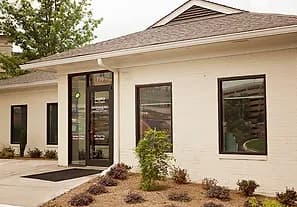
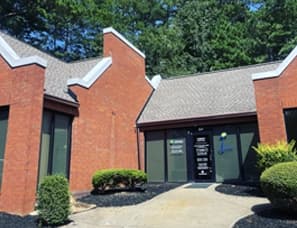
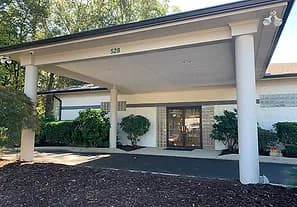
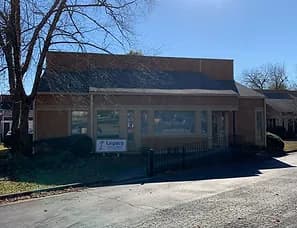
This treatment is available at all of our convenient locations:

Overview
Sciatica refers to pain that radiates along the path of the sciatic nerve from your lower back through your hips and down each leg. Typically affecting only one side, sciatica can range from mild to debilitating. Our specialists offer comprehensive treatment from conservative care to minimally invasive surgery.

Expert care for sciatica
Specialized sciatica treatment providing rapid relief from radiating leg pain. Our minimally invasive microdiscectomy and targeted epidural injections deliver immediate results, with most patients experiencing significant improvement within weeks.
Common Symptoms
True sciatica has distinctive features that help us identify the compressed nerve root—the specific path of leg pain, areas of numbness, and affected muscles all point to which disc or structure is causing the problem. While some people use 'sciatica' to describe any leg pain, actual nerve root compression creates specific, dermatomal patterns. Accurate diagnosis ensures we target treatment to the right level of your spine.
Pain radiating from lower back to buttock and leg
Characteristic sciatic pain follows the nerve's path from the lower spine through the buttock and down the back of the leg to the foot. This radiating pattern distinguishes sciatica from other back pain and indicates nerve root compression requiring specific treatment.
Sharp, burning, or shooting pain
Intense nerve pain described as electric shocks, burning sensations, or stabbing jolts that travel down the leg. This neuropathic pain differs from muscle aches and can be so severe it stops you mid-stride or prevents weight-bearing on the affected leg.
Numbness or tingling down the leg
Pins-and-needles sensations or areas of complete numbness in specific leg and foot regions corresponding to the compressed nerve root. These sensory changes can affect safety, making it difficult to feel the ground beneath your foot or detect temperature.
Weakness in the affected leg or foot
Progressive muscle weakness causes foot drop, difficulty standing on tiptoes or heels, or buckling of the knee. This motor deficit indicates significant nerve compression and can lead to falls or inability to safely ambulate without intervention.
Pain worsens with sitting or coughing
Prolonged sitting increases disc pressure and nerve compression, intensifying symptoms. Coughing, sneezing, or straining during bowel movements creates pressure spikes that send jolts of pain down the leg, confirming disc-related sciatica.
Difficulty standing or walking
Severe leg pain makes bearing weight nearly impossible, forcing you to limp or limiting walking distance to just yards. This functional impairment significantly impacts independence and quality of life, often prompting people to seek urgent treatment.
Common Causes
Sciatica always has an underlying structural cause compressing or irritating the sciatic nerve. While disc herniations account for most cases, stenosis, spondylolisthesis, and other conditions can also trigger symptoms. Identifying your specific cause through examination and imaging determines whether conservative care, injections, or surgery offers the fastest, most lasting relief.
Herniated lumbar disc
When a lower back disc ruptures, its inner material protrudes and directly compresses the sciatic nerve root. This mechanical pressure combined with chemical inflammation from leaked disc contents creates the intense radiating pain characteristic of sciatica.
Spinal stenosis
Narrowing of the spinal canal from arthritis, thickened ligaments, or bone spurs squeezes nerve roots as they exit the spine. This progressive compression typically worsens with standing and walking, improving when leaning forward or sitting.
Piriformis syndrome
The piriformis muscle in the buttock can spasm or tighten around the sciatic nerve passing beneath or through it. This muscular compression mimics disc-related sciatica but originates outside the spine, requiring different treatment approaches.
Spondylolisthesis
When one vertebra slips forward over another, it can pinch sciatic nerve roots in the narrowed foramen. This instability-related compression causes pain with certain positions and activities, often requiring stabilization procedures.
Degenerative disc disease
As discs lose height and water content, vertebrae move closer together and facet joints become arthritic. This degenerative cascade can inflame and compress sciatic nerve roots, creating chronic or episodic leg pain.
Treatment Options
Physical therapy and stretching exercises - Targeted sciatic nerve stretches and core strengthening to reduce nerve pressure and prevent future episodes
Anti-inflammatory medications - Prescription-strength NSAIDs and oral steroids to reduce inflammation around the compressed sciatic nerve
Epidural steroid injections - Powerful anti-inflammatory medication delivered directly to the inflamed nerve root for rapid and lasting relief
Microdiscectomy for herniated disc - Minimally invasive procedure removing the herniated disc fragment pressing on the sciatic nerve, often providing immediate pain relief
Minimally invasive decompression - Outpatient procedures to remove bone spurs, thickened ligaments, or other structures compressing the nerve
Advanced pain management techniques - Comprehensive multi-modal approach including nerve blocks, radiofrequency ablation, and spinal cord stimulation for chronic cases
State of the art facilities
Joint Commission Gold Seal certified surgery centers equipped with the latest neurosurgical technology. Our Atlanta and Riverdale facilities offer minimally invasive procedures with concierge recovery suites for optimal patient comfort.
Recovery & Outlook
Many patients experience relief with conservative treatment in 4-6 weeks. Surgical patients typically see immediate improvement in radiating leg pain, with full recovery in 6-12 weeks.
Ready to Start Your Treatment Journey?
Our board-certified neurosurgeons are here to provide expert evaluation and personalized treatment plans. Schedule a consultation today to discuss your options.
Schedule ConsultationAccepted by most major insurance carriers and plans.
Many of our physicians are in-network with major insurance plans, including Aetna, Blue Cross Blue Shield, Anthem, UnitedHealthcare, Cigna, and more. Coverage can vary, so feel free to call us—we're happy to check your plan for you.
Find a Physician







Questions about sciatica treatment.
Everything you need to know about diagnosis, treatment options, and recovery.