Advanced brain tumor treatment in Atlanta
Advanced neurosurgical care leveraging intraoperative imaging, minimally invasive skull-base approaches, and coordinated oncology support for every tumor type.

A brain tumor diagnosis changes everything in an instant. Questions flood in—what type is it? What are my options? Who can I trust? At Legacy Brain and Spine, you're not alone in this fight. Our board-certified neurosurgeons are experienced in treating all types of brain tumors, from benign meningiomas to complex malignancies. We utilize the latest minimally invasive craniotomy techniques, stereotactic radiosurgery, and personalized treatment plans. Most importantly, we provide compassionate, comprehensive care through every step of your journey, from diagnosis to recovery and beyond.
Our Specialists
Meet the physicians who specialize in treating brain tumor:

Available at these Locations
This treatment is available at all of our convenient locations:
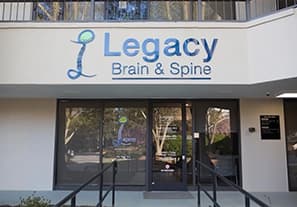







Overview
Brain tumors require expert neurosurgical care from experienced specialists. Whether benign or malignant, primary or metastatic, our board-certified neurosurgeons provide comprehensive evaluation and advanced treatment options including minimally invasive techniques and cutting-edge technologies.

Expert care for brain tumor
Expert neurosurgical care for brain tumors utilizing minimally invasive craniotomy and stereotactic radiosurgery techniques. Our board-certified neurosurgeons provide comprehensive evaluation, advanced surgical options, and dedicated follow-up care for optimal outcomes.
Common Symptoms
Brain tumor symptoms vary dramatically based on location and growth rate. Unlike other conditions, any new neurological symptom in an adult warrants investigation. Early detection dramatically improves outcomes, as smaller tumors are easier to remove and cause less permanent damage. If you're experiencing persistent or progressive neurological changes, especially combination symptoms, immediate evaluation is essential.
New onset or changing pattern of headaches
Persistent headaches that differ from your usual pattern, progressively worsen, or wake you from sleep. Brain tumors increase intracranial pressure, causing headaches that are typically worse in the morning and improve as the day progresses.
Seizures with no prior history
New-onset seizures in adults without epilepsy history warrant immediate brain imaging. Tumors irritate surrounding brain tissue, triggering abnormal electrical activity that manifests as convulsions, staring spells, or brief periods of confusion.
Vision problems or hearing changes
Blurred vision, double vision, visual field loss, or hearing impairment depending on tumor location. These sensory changes result from pressure on cranial nerves or specific brain regions responsible for processing visual and auditory information.
Balance and coordination difficulties
Unsteady walking, clumsiness, or difficulty with fine motor tasks indicate cerebellar or brainstem involvement. You may notice increased stumbling, trouble with buttons or writing, or feeling like the room is spinning.
Speech difficulties
Trouble finding words, slurred speech, or difficulty understanding language suggests tumor involvement in language centers. These communication problems can range from subtle word-finding difficulties to complete inability to speak or comprehend.
Personality or behavior changes
Frontal lobe tumors cause noticeable personality shifts, poor judgment, decreased inhibition, or mood changes. Family members often notice these alterations before the patient does, with behaviors ranging from apathy to inappropriate social conduct.
Numbness or weakness in limbs
Progressive weakness or sensory loss on one side of the body indicates tumor pressure on motor or sensory cortex. This can start subtly with clumsiness or dropping objects and progress to significant paralysis if untreated.
Common Causes
While we can't always prevent brain tumors, understanding risk factors helps with early detection and screening decisions. Most brain tumors arise sporadically without clear cause, though certain genetic syndromes, previous radiation exposure, and family history increase risk. Knowing your risk profile allows for appropriate monitoring and prompt investigation of warning symptoms.
Primary brain tumors (originating in brain)
These tumors begin in brain cells themselves, developing from neurons, glial cells, or meninges. Primary brain tumors can be benign or malignant, with types including gliomas, meningiomas, and pituitary adenomas that require specialized neurosurgical care.
Metastatic tumors (spread from other cancers)
Cancer cells from lung, breast, kidney, or other primary sites can travel through the bloodstream to the brain. These secondary tumors are actually more common than primary brain tumors and often appear as multiple lesions.
Genetic factors and syndromes
Inherited conditions like neurofibromatosis, Li-Fraumeni syndrome, and von Hippel-Lindau disease significantly increase brain tumor risk. Family history of certain cancers can indicate genetic predisposition requiring enhanced surveillance.
Radiation exposure
Previous radiation therapy to the head, especially during childhood, increases the risk of developing brain tumors years or decades later. High-dose ionizing radiation damages DNA in brain cells, potentially leading to tumor formation.
Age-related factors
Certain brain tumors are more common at specific ages—medulloblastomas in children, glioblastomas in older adults, and meningiomas in middle age. The brain's cellular environment changes over time, influencing which tumors may develop.
Treatment Options
Surgical resection (removal) - Complete or maximum safe removal of brain tumor using advanced microsurgical techniques and intraoperative monitoring to protect healthy brain tissue
Minimally invasive craniotomy techniques - Smaller skull openings using keyhole approaches and endoscopic assistance to minimize surgical trauma and speed recovery
Stereotactic radiosurgery (Gamma Knife) - Non-invasive radiation treatment delivering precisely focused beams to destroy tumor cells while sparing surrounding healthy brain tissue
Chemotherapy and targeted therapy - Systemic medications and newer targeted drugs that attack specific tumor cells while minimizing side effects
Radiation therapy - Carefully planned radiation treatments to shrink or eliminate tumors, often used in combination with surgery
Tumor debulking procedures - Partial removal of large tumors to reduce mass effect, relieve pressure, and improve effectiveness of other treatments

State of the art facilities
Joint Commission Gold Seal certified surgery centers equipped with the latest neurosurgical technology. Our Atlanta and Riverdale facilities offer minimally invasive procedures with concierge recovery suites for optimal patient comfort.
Recovery & Outlook
Recovery depends on tumor type, location, and treatment approach. Many patients can begin rehabilitation within days of surgery. Comprehensive follow-up care ensures optimal outcomes and quality of life.
Ready to Start Your Treatment Journey?
Our board-certified neurosurgeons are here to provide expert evaluation and personalized treatment plans. Schedule a consultation today to discuss your options.
Schedule ConsultationAccepted by most major insurance carriers and plans.
Many of our physicians are in-network with major insurance plans, including Aetna, Blue Cross Blue Shield, Anthem, UnitedHealthcare, Cigna, and more. Coverage can vary, so feel free to call us—we're happy to check your plan for you.
Find a Physician





Questions about brain tumor treatment.
Everything you need to know about diagnosis, treatment options, and recovery.