Expert concussion treatment in Atlanta
Comprehensive concussion management with same-week neurocognitive testing, individualized recovery protocols, and safe return-to-activity coaching.
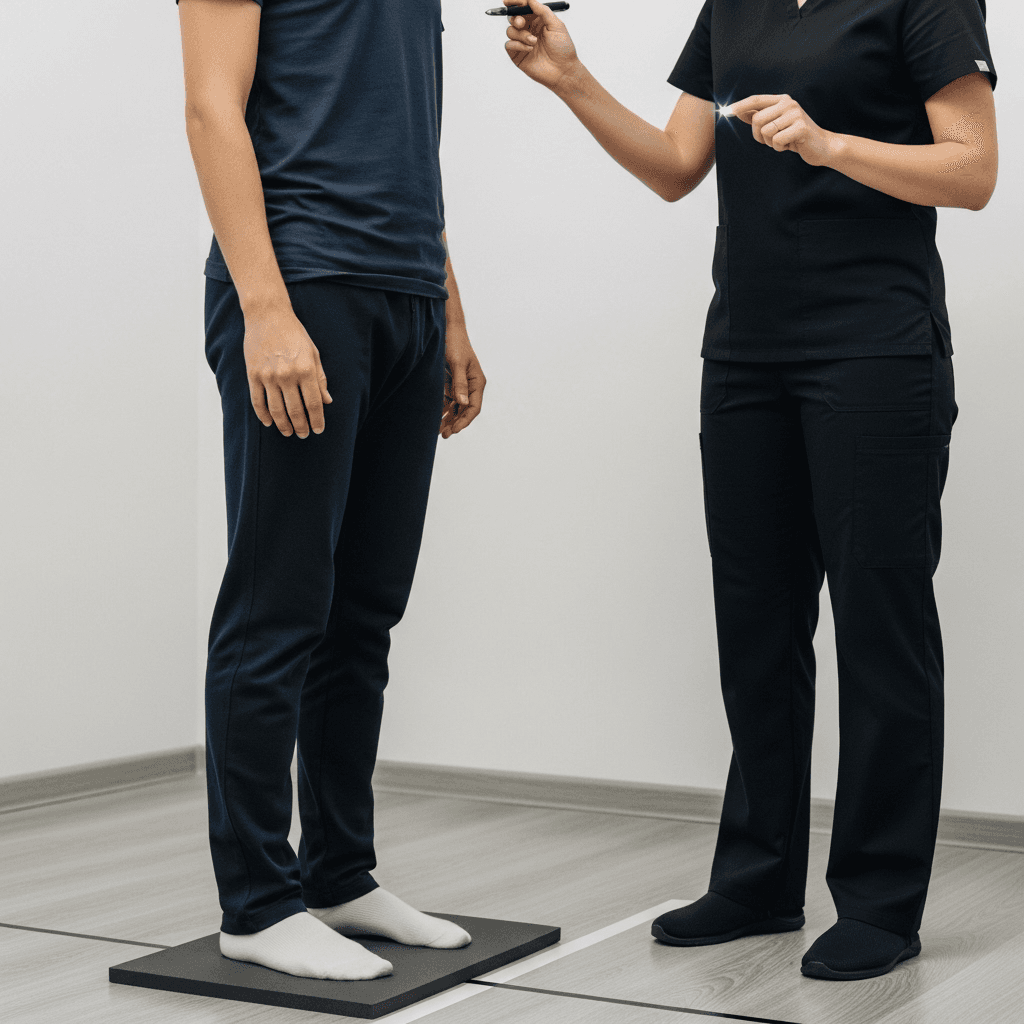
Concussions are more than just 'getting your bell rung.' Whether from sports, a fall, or an accident, these brain injuries require proper medical evaluation and management to prevent long-term complications. At Legacy Brain and Spine, our certified concussion specialists use evidence-based protocols to ensure safe recovery and appropriate return to work, sports, or daily activities. We understand the pressure athletes, parents, and professionals face—our job is to make sure your brain heals properly before you get back in the game.
Our Specialists
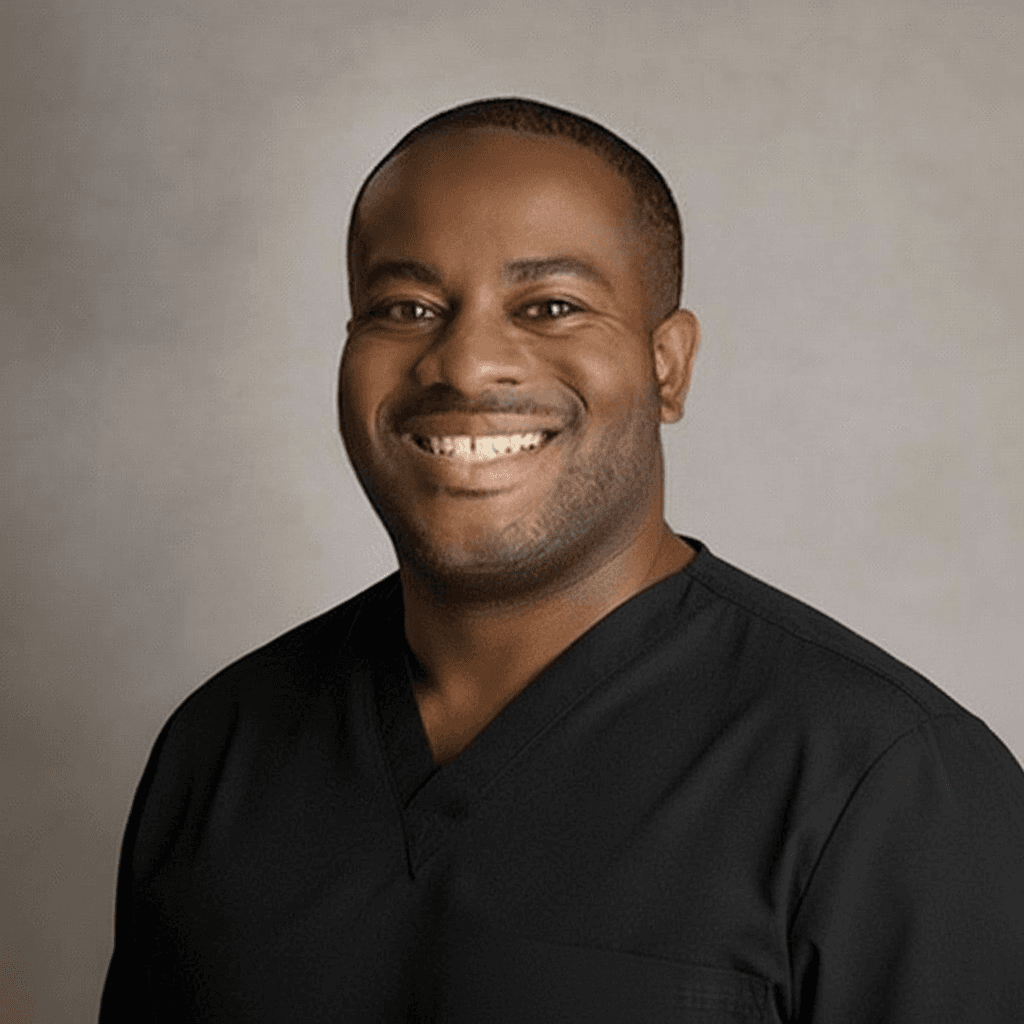
Meet the physicians who specialize in treating concussion:
Available at these Locations
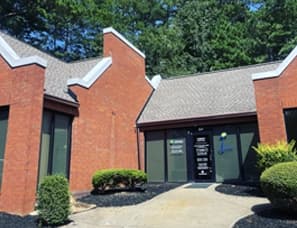
This treatment is available at all of our convenient locations:






Overview
Concussions are traumatic brain injuries that affect brain function. Effects are usually temporary but require proper medical evaluation and management. Legacy's certified headache and concussion specialists provide evidence-based care and return-to-activity protocols.

Expert care for concussion
Certified concussion specialists providing evidence-based care and safe return-to-activity protocols. Our comprehensive approach includes vestibular rehabilitation, cognitive therapy, and careful monitoring to ensure complete recovery.
Common Symptoms
Concussion symptoms range from obvious to subtle, and many people underestimate their significance. Loss of consciousness isn't required for concussion—in fact, most concussions don't involve blacking out. Any blow to the head followed by these symptoms warrants evaluation. Multiple concussions increase risk of long-term consequences, making proper management of each injury critical.
Headache or pressure in head
Persistent or throbbing head pain following injury, ranging from mild to severe intensity. This post-concussive headache can last days to weeks and often worsens with physical or mental exertion, requiring rest for recovery.
Confusion or feeling 'foggy'
Mental cloudiness, difficulty concentrating, or feeling like you're thinking through molasses. This cognitive fog affects work performance, decision-making, and completing tasks that normally feel automatic or easy.
Amnesia surrounding the event
Gaps in memory before (retrograde) or after (anterograde) the injury are hallmark concussion signs. You may not remember the impact itself or events in the minutes to hours surrounding the injury, which helps confirm diagnosis.
Dizziness or balance problems
Vertigo, unsteadiness, or feeling off-balance results from inner ear dysfunction or disrupted brain processing. These vestibular symptoms can make walking difficult and increase fall risk, often persisting longer than other concussion symptoms.
Nausea or vomiting
Stomach upset or vomiting shortly after head injury suggests more significant brain trauma. While common with concussions, persistent vomiting may indicate increased intracranial pressure requiring emergency evaluation.
Sensitivity to light or noise
Photophobia and phonophobia make normal lighting and sound levels intolerable, forcing you to seek dark, quiet environments. This heightened sensitivity reflects altered brain processing and typically improves as the concussion heals.
Sleep disturbances
Sleeping much more or less than usual, difficulty falling asleep, or disrupted sleep patterns. Concussions alter sleep-wake cycles and brain chemistry, with proper rest being essential for recovery but sleep quality often being poor.
Common Causes
Concussions happen across all age groups and activities. While sports injuries get the most attention, falls in older adults and car accidents cause just as many concussions. Understanding your specific risk profile—whether from occupation, recreation, or medical conditions affecting balance—helps with prevention strategies and ensures prompt treatment when injuries occur.
Sports injuries
Contact sports like football, soccer, hockey, and boxing frequently cause concussions through collisions, falls, and direct blows to the head. Even seemingly minor impacts can cause brain injury if they involve rapid head acceleration or deceleration.
Motor vehicle accidents
Car crashes subject the brain to extreme forces as the head strikes surfaces or whips violently. The sudden acceleration-deceleration can cause the brain to impact the inside of the skull, resulting in concussion even without external head trauma.
Falls
Slips, trips, and falls are the leading cause of concussions in young children and older adults. The sudden impact when the head hits the ground or another object can jar the brain within the skull.
Physical altercations
Assaults involving blows to the head or violent shaking can cause significant brain injury. These intentional injuries often involve repeated impacts that increase the severity of brain trauma and recovery time.
Blast injuries
Explosions from military combat, industrial accidents, or terrorism create pressure waves that propagate through the skull into brain tissue. These blast injuries can cause concussion even without direct head impact through complex mechanical and biochemical mechanisms.
Treatment Options
Physical and cognitive rest - Initial period of mental and physical rest to allow the brain to heal, limiting screen time, reading, and strenuous activity
Gradual return-to-activity protocol - Step-by-step increase in activity levels following evidence-based guidelines to safely resume normal function without symptom recurrence
Vestibular rehabilitation - Specialized therapy to address dizziness, balance problems, and visual disturbances that persist after concussion
Vision therapy if needed - Targeted exercises and treatments for vision problems like focusing difficulties, tracking issues, or light sensitivity
Headache management - Comprehensive approach using medications, lifestyle modifications, and interventions to control post-concussion headaches
Cognitive rehabilitation - Structured therapy to address memory, concentration, and processing speed issues that may linger after injury
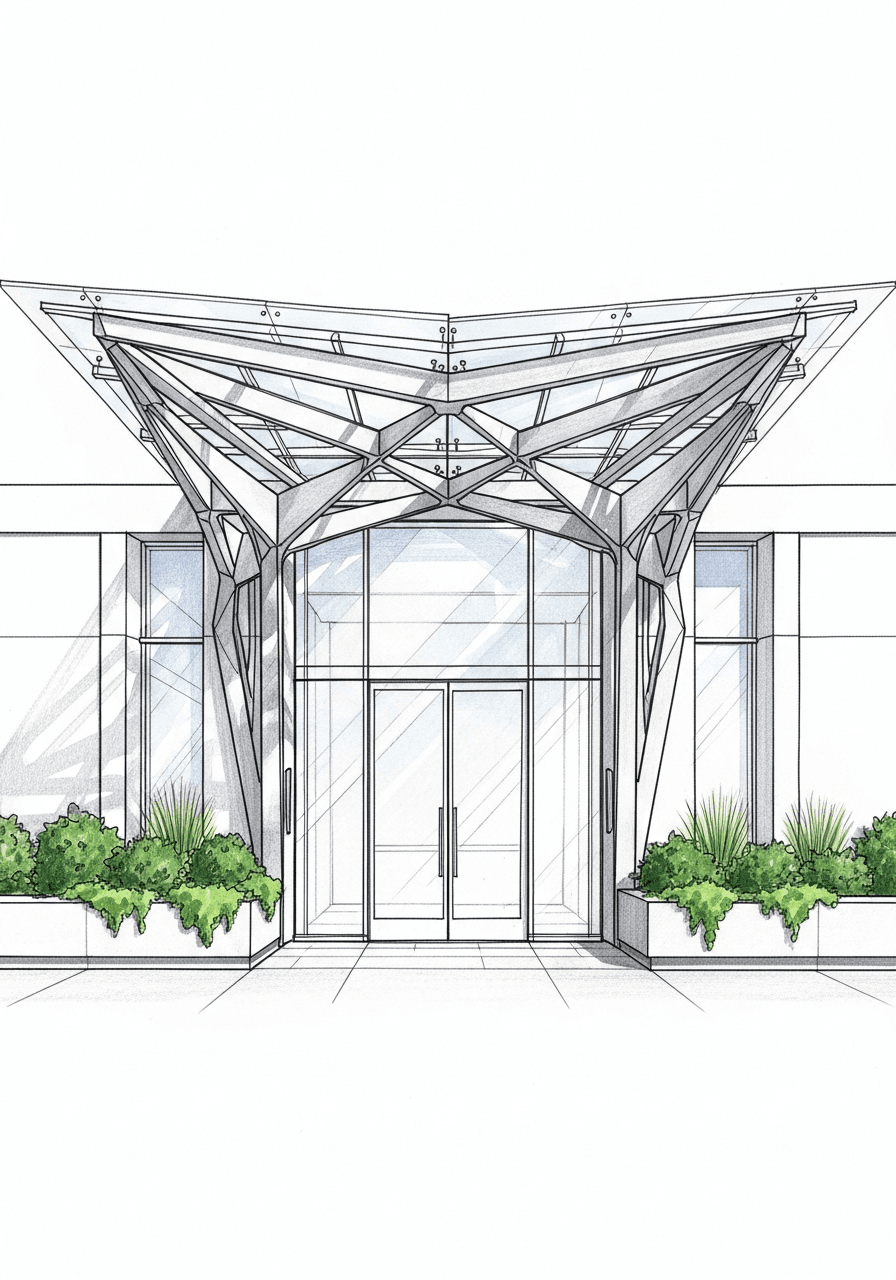
State of the art facilities
Joint Commission Gold Seal certified surgery centers equipped with the latest neurosurgical technology. Our Atlanta and Riverdale facilities offer minimally invasive procedures with concierge recovery suites for optimal patient comfort.
Recovery & Outlook
Most concussions resolve within 7-14 days with appropriate rest and gradual return to activities. Our specialists ensure safe recovery and clearance for return to sports or work.
Ready to Start Your Treatment Journey?
Our board-certified neurosurgeons are here to provide expert evaluation and personalized treatment plans. Schedule a consultation today to discuss your options.
Schedule ConsultationAccepted by most major insurance carriers and plans.
Many of our physicians are in-network with major insurance plans, including Aetna, Blue Cross Blue Shield, Anthem, UnitedHealthcare, Cigna, and more. Coverage can vary, so feel free to call us—we're happy to check your plan for you.
Find a Physician






Questions about concussion treatment.
Everything you need to know about diagnosis, treatment options, and recovery.