Expert neck pain treatment in Atlanta
Targeted cervical spine care anchored in image-guided diagnosis, muscle-balancing therapy, and minimally invasive interventions to eliminate pain at its source.

Neck pain can turn simple tasks into struggles—from looking over your shoulder while driving to working at your computer or even getting a good night's sleep. Whether your pain stems from years of desk work, a recent injury, or degenerative changes, you don't have to accept it as inevitable. At Legacy Brain and Spine, our cervical spine specialists offer cutting-edge solutions including disc replacement and minimally invasive procedures that address the root cause, not just the symptoms.
Our Specialists
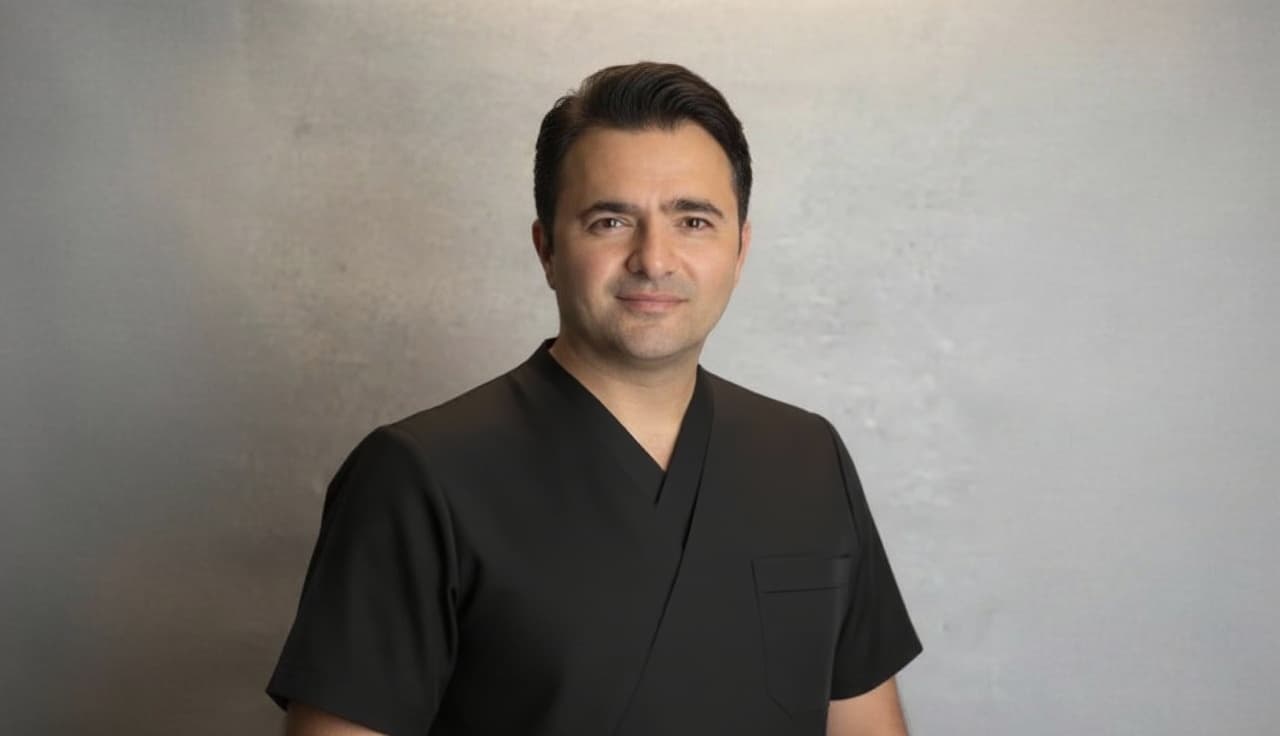
Meet the physicians who specialize in treating neck pain:


Available at these Locations
This treatment is available at all of our convenient locations:








Overview
Neck pain is a common complaint affecting millions of Americans. Whether caused by poor posture, cervical disc problems, or injury, neck pain can significantly impact daily life. Our cervical spine specialists offer comprehensive care from conservative treatment to advanced surgical options.

Expert care for neck pain
Cervical spine specialists offering comprehensive neck pain treatment from conservative care to advanced surgical options. Our expertise includes cervical disc replacement and minimally invasive procedures for rapid relief and recovery.
Common Symptoms
Neck pain presents in many forms, from dull aching to sharp, stabbing discomfort. Recognizing whether your pain is purely muscular or involves nerve compression is essential for proper treatment. Symptoms that radiate into the shoulders or arms, or those accompanied by numbness and weakness, warrant prompt evaluation to prevent permanent nerve damage.
Pain that worsens with holding head in one position
Static postures like computer work or reading cause accumulating neck discomfort that intensifies over time. This positional pain results from sustained muscle contraction and disc compression, often forcing frequent position changes for relief.
Muscle tightness and spasms
Contracted, rock-hard muscles in the neck and shoulders create constant tension and trigger points. These spasms can be involuntary protective responses to injury or result from chronic poor posture, causing sharp pain with movement.
Decreased range of motion
Stiffness limits your ability to turn your head, look up or down, or tilt side to side without pain. This reduced mobility affects daily activities like driving, checking blind spots, or simply looking around comfortably.
Headaches originating from the neck
Cervicogenic headaches start at the base of the skull and radiate forward, often mistaken for migraines or tension headaches. These headaches stem from neck problems and typically worsen with neck movement or sustained postures.
Pain radiating to shoulders or arms
Discomfort spreads from the neck into the shoulders, upper back, or down the arms, sometimes reaching the hands. This radiating pain indicates nerve involvement or referred pain from cervical structures affecting surrounding areas.
Common Causes
Modern life places unprecedented strain on cervical structures—from hours hunched over screens to poor sleeping positions and repetitive stress. Identifying your specific risk factors allows us to not only treat current pain but also prevent future episodes through targeted interventions, ergonomic adjustments, and strengthening programs.
Poor posture and prolonged computer use
Forward head posture from extended screen time places up to 60 pounds of stress on cervical structures. This chronic strain causes muscle fatigue, disc compression, and progressive degeneration that accumulates over months and years.
Cervical disc herniation or degeneration
Damaged or deteriorating discs in the neck lose height and stability, causing vertebrae to shift and nerves to compress. This process triggers inflammation and pain that can radiate into the shoulders, arms, and even hands.
Whiplash or trauma
Sudden acceleration-deceleration injuries from car accidents forcefully hyperextend and hyperflex the neck. This violent motion tears soft tissues, damages discs, and can cause immediate pain along with delayed symptoms that emerge days later.
Muscle strain from overuse
Repetitive movements or sustained positions overwork cervical muscles, leading to microscopic tears and chronic inflammation. This cumulative trauma causes persistent muscle tightness, trigger points, and reduced range of motion.
Arthritis and bone spurs
Cervical osteoarthritis gradually destroys joint cartilage and stimulates bone spur formation. These bony growths narrow nerve passages and create painful bone-on-bone contact during neck movement.
Nerve compression
Pinched nerves in the neck from any structural abnormality cause radiating pain, numbness, and weakness down the arms. This compression interrupts normal nerve signals and can lead to permanent damage if left untreated.
Treatment Options
Physical therapy and postural training - Specialized exercises and ergonomic education to correct poor posture habits, strengthen neck muscles, and reduce strain from prolonged sitting or computer work
Pain management and muscle relaxants - Prescription medications to control pain, reduce muscle spasms, and improve range of motion during treatment
Cervical epidural injections - Targeted steroid injections into the epidural space around cervical nerves to reduce inflammation and provide lasting pain relief
Cervical disc replacement - Motion-preserving surgery that replaces damaged cervical discs with artificial ones, maintaining natural neck movement and preventing adjacent segment degeneration
Anterior cervical discectomy and fusion (ACDF) - Gold-standard procedure removing damaged disc through front of neck and fusing vertebrae for stability and pain relief
Minimally invasive decompression - Advanced techniques using small incisions to remove bone spurs or disc material compressing nerves with faster recovery
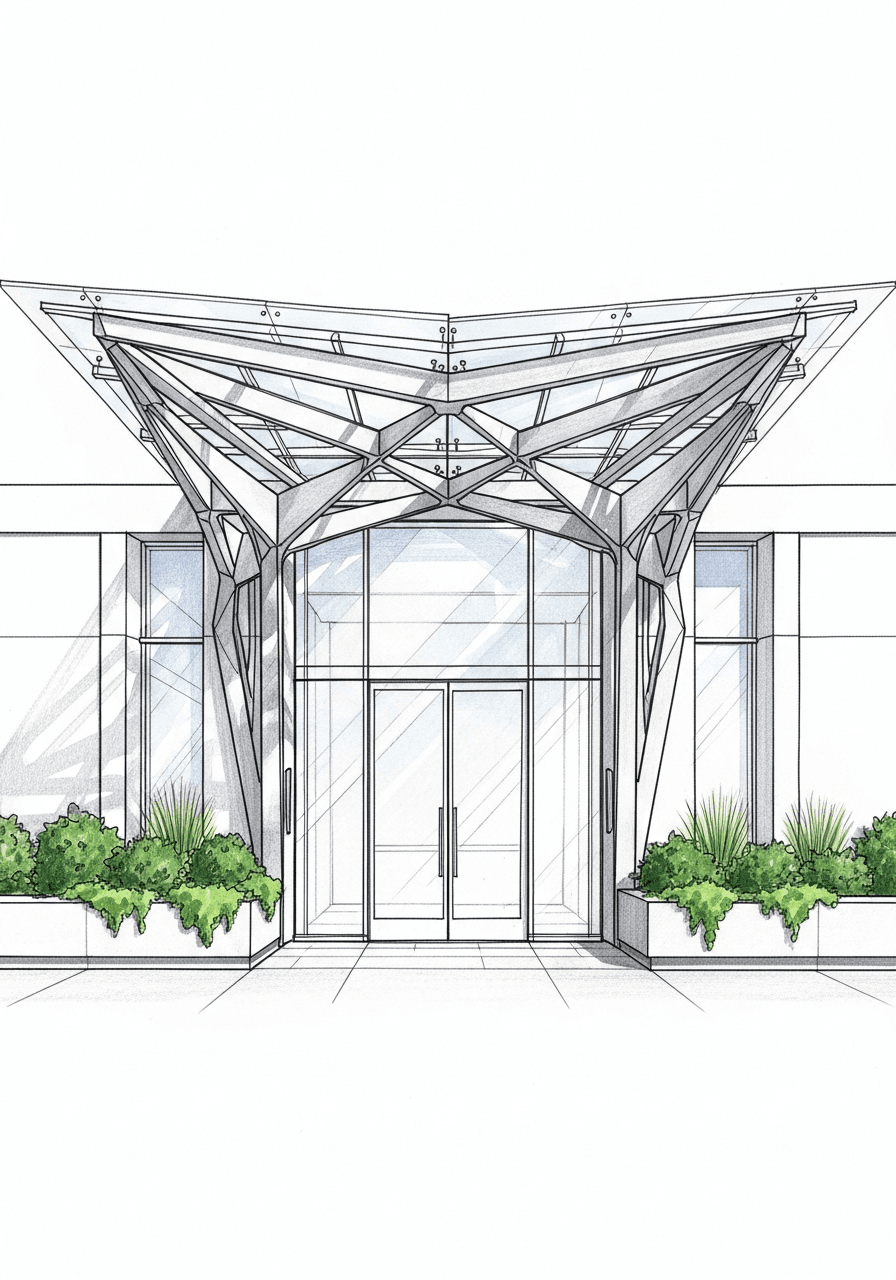
State of the art facilities
Joint Commission Gold Seal certified surgery centers equipped with the latest neurosurgical technology. Our Atlanta and Riverdale facilities offer minimally invasive procedures with concierge recovery suites for optimal patient comfort.
Recovery & Outlook
Conservative treatments often provide relief within 6-8 weeks. Surgical interventions like disc replacement typically allow return to desk work in 2-4 weeks, with full recovery in 3-6 months.
Ready to Start Your Treatment Journey?
Our board-certified neurosurgeons are here to provide expert evaluation and personalized treatment plans. Schedule a consultation today to discuss your options.
Schedule ConsultationAccepted by most major insurance carriers and plans.
Many of our physicians are in-network with major insurance plans, including Aetna, Blue Cross Blue Shield, Anthem, UnitedHealthcare, Cigna, and more. Coverage can vary, so feel free to call us—we're happy to check your plan for you.
Find a Physician







Questions about neck pain treatment.
Everything you need to know about diagnosis, treatment options, and recovery.