Comprehensive scoliosis treatment in Atlanta
Multidisciplinary scoliosis management featuring modern bracing, motion-preserving surgical options, and ongoing alignment monitoring for lasting spinal stability.
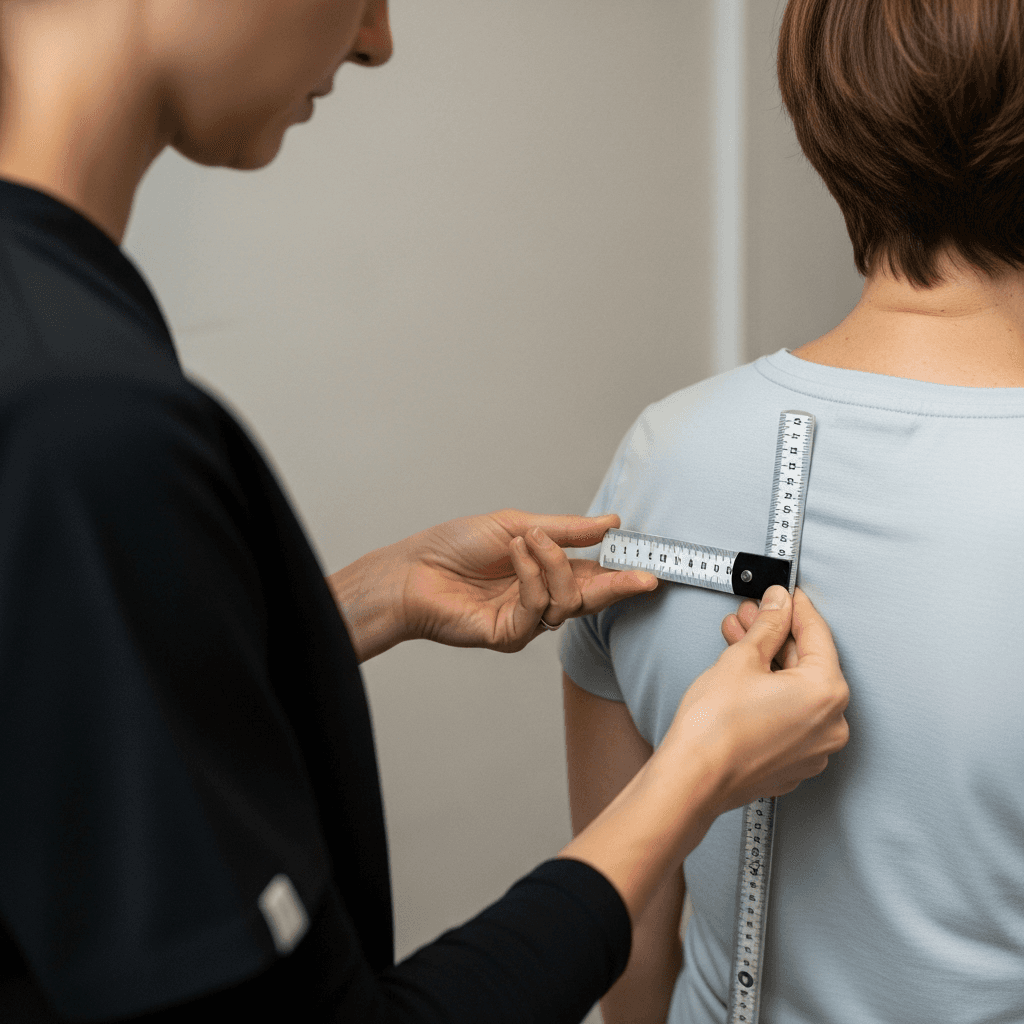
Scoliosis affects both children and adults, but treatment isn't one-size-fits-all. Whether you're a parent concerned about your child's spinal curve or an adult dealing with degenerative scoliosis and pain, Legacy Brain and Spine offers specialized care at every stage. Our neurosurgeons combine cutting-edge surgical techniques with conservative treatment approaches, creating personalized plans that consider your age, curve severity, symptoms, and lifestyle goals.
Our Specialists
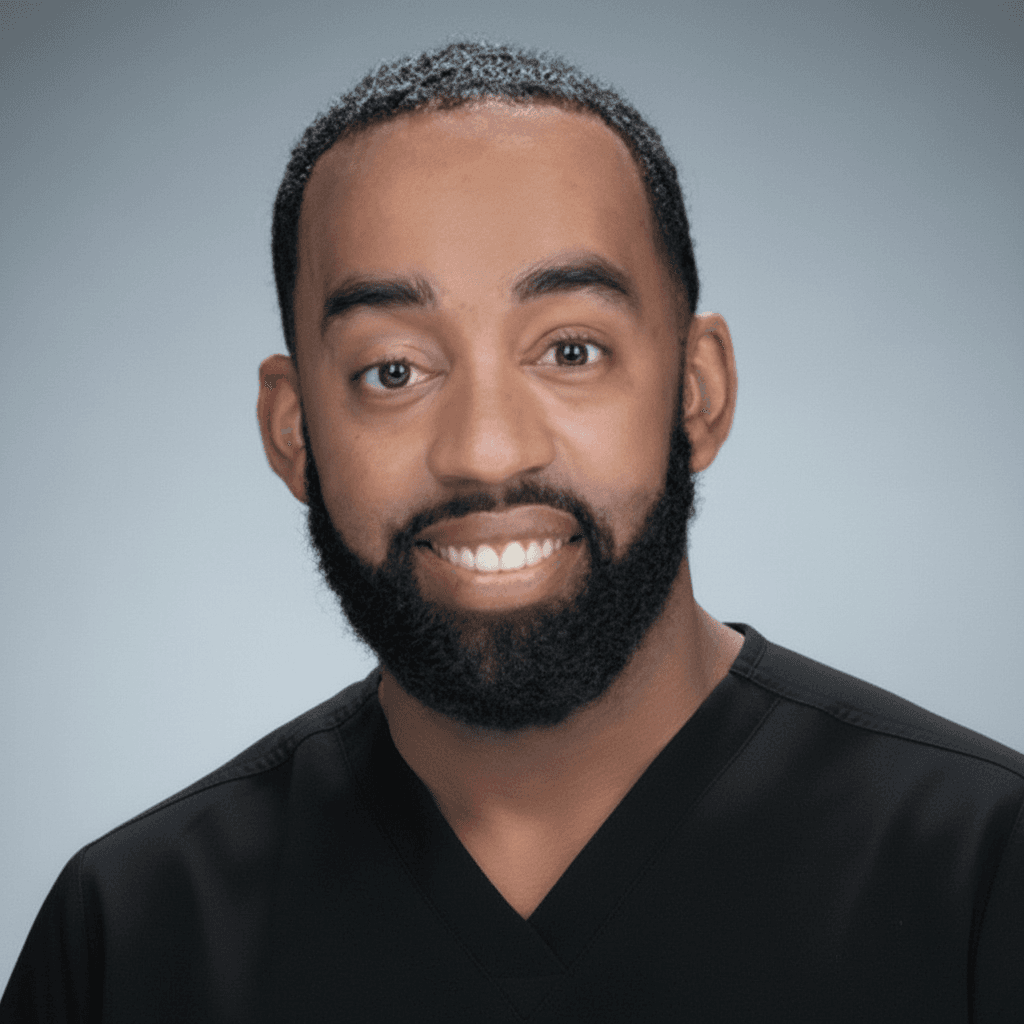
Meet the physicians who specialize in treating scoliosis:
Available at these Locations
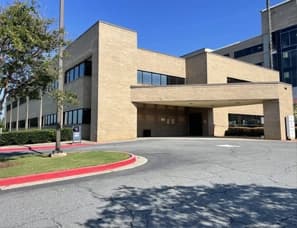
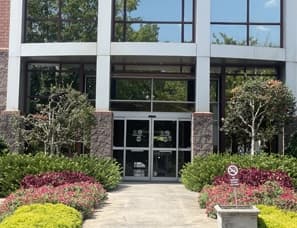
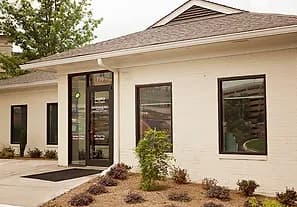
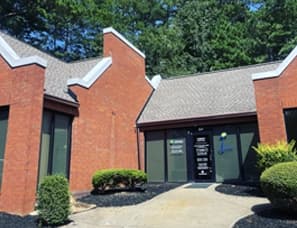
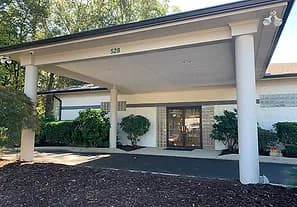
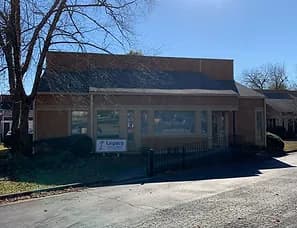
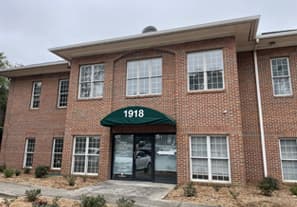
This treatment is available at all of our convenient locations:
Overview
Scoliosis is a sideways curvature of the spine that most often develops during the growth spurt before puberty. However, adult scoliosis can also develop due to degenerative changes. Our expert team provides comprehensive evaluation and advanced treatment options tailored to each patient.
Expert care for scoliosis
Specialized care for pediatric and adult scoliosis with comprehensive evaluation and treatment planning. Our neurosurgeons utilize minimally invasive correction techniques and advanced spinal fusion procedures tailored to each patient's unique spinal curvature.
Common Symptoms
Early detection of scoliosis is crucial, especially in growing children where curves can progress rapidly. While some signs are subtle, others are quite obvious to parents, school nurses, or pediatricians. Adults with degenerative scoliosis experience different symptoms than children, often including significant pain that wasn't present in adolescence. Regular monitoring and professional evaluation ensure appropriate intervention at the right time.
Uneven shoulders or waist
One shoulder sits noticeably higher than the other, or the waistline appears asymmetric with uneven spaces between arms and body. This visible asymmetry is often the first sign noticed by parents or during routine physical exams.
One hip appearing higher than the other
Pelvic tilt causes pants or skirts to hang unevenly, and one leg may appear longer than the other. This asymmetry affects posture and gait, sometimes causing additional strain on joints and muscles.
One shoulder blade more prominent
The scapula on one side protrudes more noticeably, creating a visible bump or hump on the back. This prominence becomes more obvious when bending forward and is a classic sign during scoliosis screening.
Visible curve in the spine
The spine deviates sideways in an S or C shape rather than running straight down the center of the back. This curvature may be subtle when standing but becomes more apparent when bending forward or viewed from behind.
Back pain (more common in adults)
Chronic aching or sharp pain in the curved portion of the spine from muscle strain, arthritis, or nerve compression. While pediatric scoliosis rarely causes pain, adult curves often produce significant discomfort that limits activity.
Difficulty breathing in severe cases
Extreme spinal curves reduce space in the chest cavity, restricting lung expansion and causing shortness of breath. This serious complication occurs only with severe, untreated curves exceeding 70-80 degrees and requires urgent intervention.
Common Causes
Scoliosis has many potential causes, and identifying the specific type helps guide treatment decisions. While most cases are idiopathic (no clear cause), understanding contributing factors like genetics, neuromuscular conditions, or age-related degeneration allows us to create targeted treatment strategies and predict how the curve may progress over time.
Idiopathic (unknown cause, most common)
About 80% of scoliosis cases have no identifiable cause and typically develop during adolescent growth spurts. While the exact mechanism remains unclear, research suggests it involves a combination of genetic and environmental factors.
Congenital (present at birth)
Some babies are born with spinal malformations that cause abnormal curvature as they grow. These structural defects in vertebral development occur during the first six weeks of pregnancy and can range from mild to severe.
Neuromuscular conditions (cerebral palsy, muscular dystrophy)
Conditions affecting muscle control and strength can lead to progressive spinal curvature due to muscle imbalances. These neuromuscular disorders cause the spine to curve as weaker muscles fail to support proper alignment during growth and movement.
Degenerative changes in adults
Adult scoliosis develops when spinal discs and facet joints deteriorate with age, causing vertebrae to shift and curve. This type of scoliosis typically appears after age 50 and progresses more rapidly than other forms.
Genetic factors
Scoliosis runs in families, with children having a 30% higher risk if a parent has the condition. Multiple genes appear to influence spine development and growth patterns, making some individuals more susceptible to spinal curvature.
Treatment Options
Observation and monitoring for mild curves - Regular X-rays and physical exams to track curve progression, especially important during growth spurts in children and adolescents
Bracing for growing children with moderate curves - Custom-fitted orthotic devices worn to prevent curve progression during skeletal growth, most effective for curves between 20-40 degrees
Physical therapy and targeted exercises - Specialized Schroth method exercises and core strengthening to improve posture, reduce pain, and potentially slow curve progression
Spinal fusion surgery for severe curves - Surgical correction using metal rods and screws to straighten the spine and fuse vertebrae together, preventing further curvature
Minimally invasive correction techniques - Advanced surgical approaches using smaller incisions and specialized instruments to reduce recovery time and scarring
Adult degenerative scoliosis surgical options - Tailored procedures combining decompression, fusion, and stabilization to address both the curve and nerve compression in aging spines
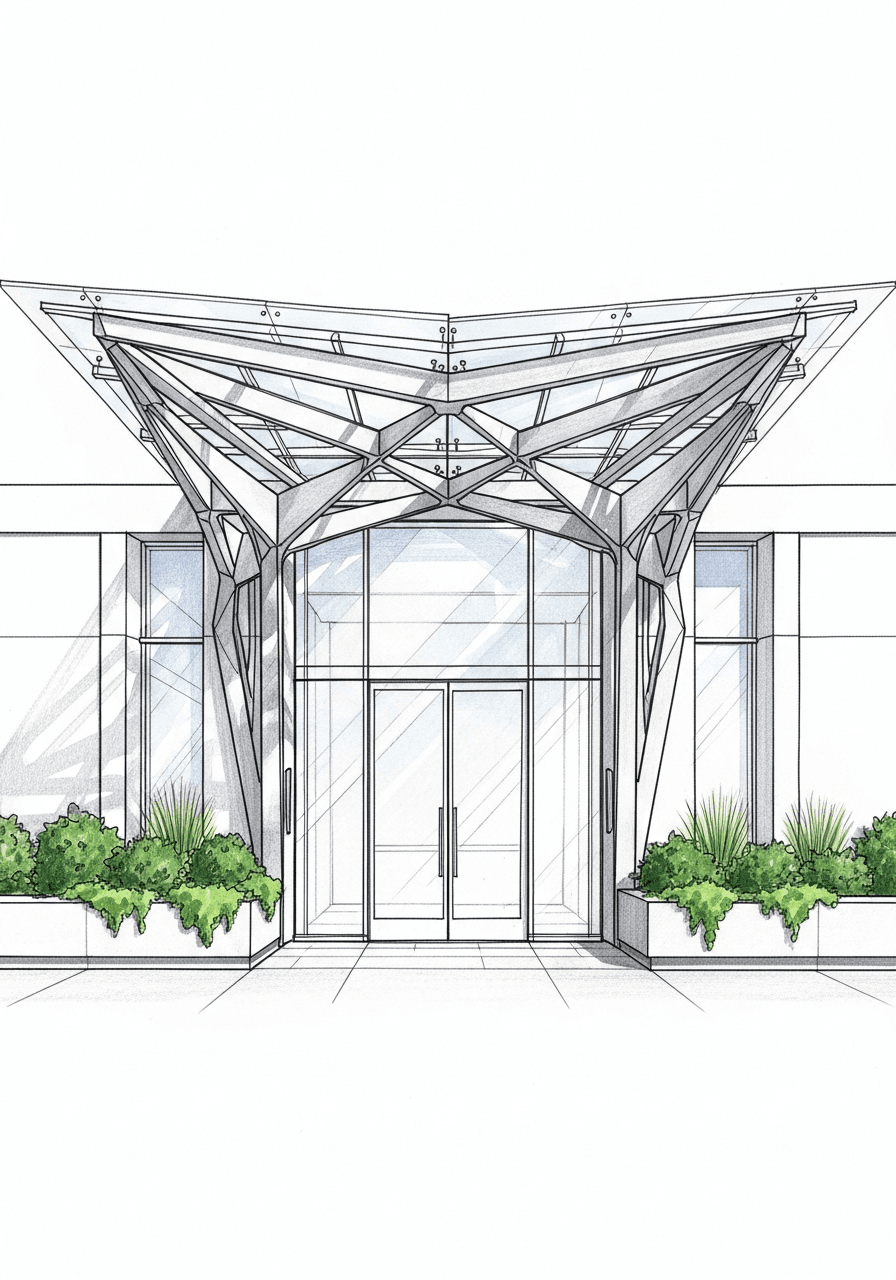
State of the art facilities
Joint Commission Gold Seal certified surgery centers equipped with the latest neurosurgical technology. Our Atlanta and Riverdale facilities offer minimally invasive procedures with concierge recovery suites for optimal patient comfort.
Recovery & Outlook
Recovery from scoliosis surgery typically requires 3-6 months. Physical therapy begins shortly after surgery to restore strength and mobility. Most patients see significant improvement in quality of life and pain reduction.
Ready to Start Your Treatment Journey?
Our board-certified neurosurgeons are here to provide expert evaluation and personalized treatment plans. Schedule a consultation today to discuss your options.
Schedule ConsultationAccepted by most major insurance carriers and plans.
Many of our physicians are in-network with major insurance plans, including Aetna, Blue Cross Blue Shield, Anthem, UnitedHealthcare, Cigna, and more. Coverage can vary, so feel free to call us—we're happy to check your plan for you.
Find a Physician



Questions about scoliosis treatment.
Everything you need to know about diagnosis, treatment options, and recovery.