Advanced herniated disc treatment in Atlanta
Specialists deliver minimally invasive disc procedures, precise pain management, and rehab plans that relieve nerve pressure while protecting spinal motion.
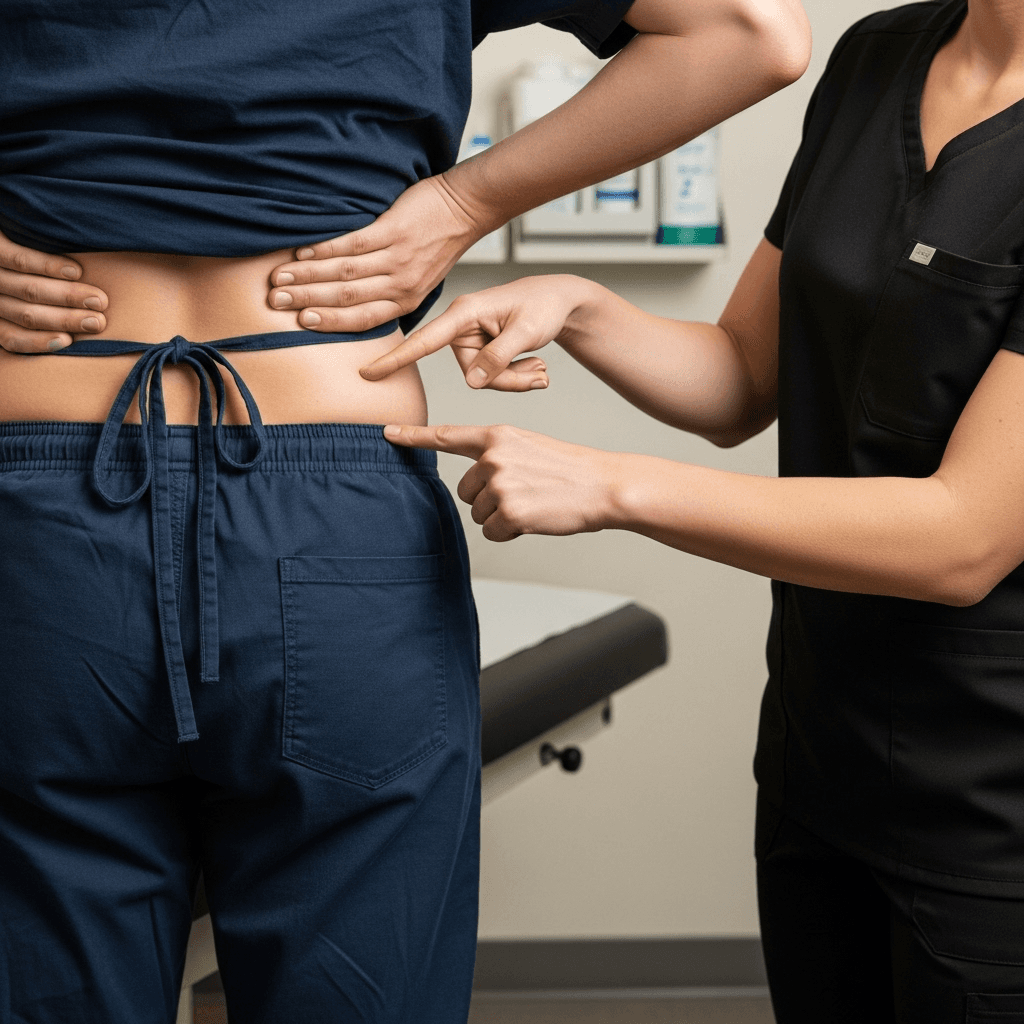
A herniated disc can stop you in your tracks—literally. That radiating pain, numbness, and weakness isn't something you should have to live with. At Legacy Brain and Spine, we specialize in advanced, minimally invasive treatments that target the source of your pain while preserving your spine's natural function. Our same-day surgery options and concierge recovery suites mean you can get the care you need and return to your life faster than you ever thought possible.
Our Specialists
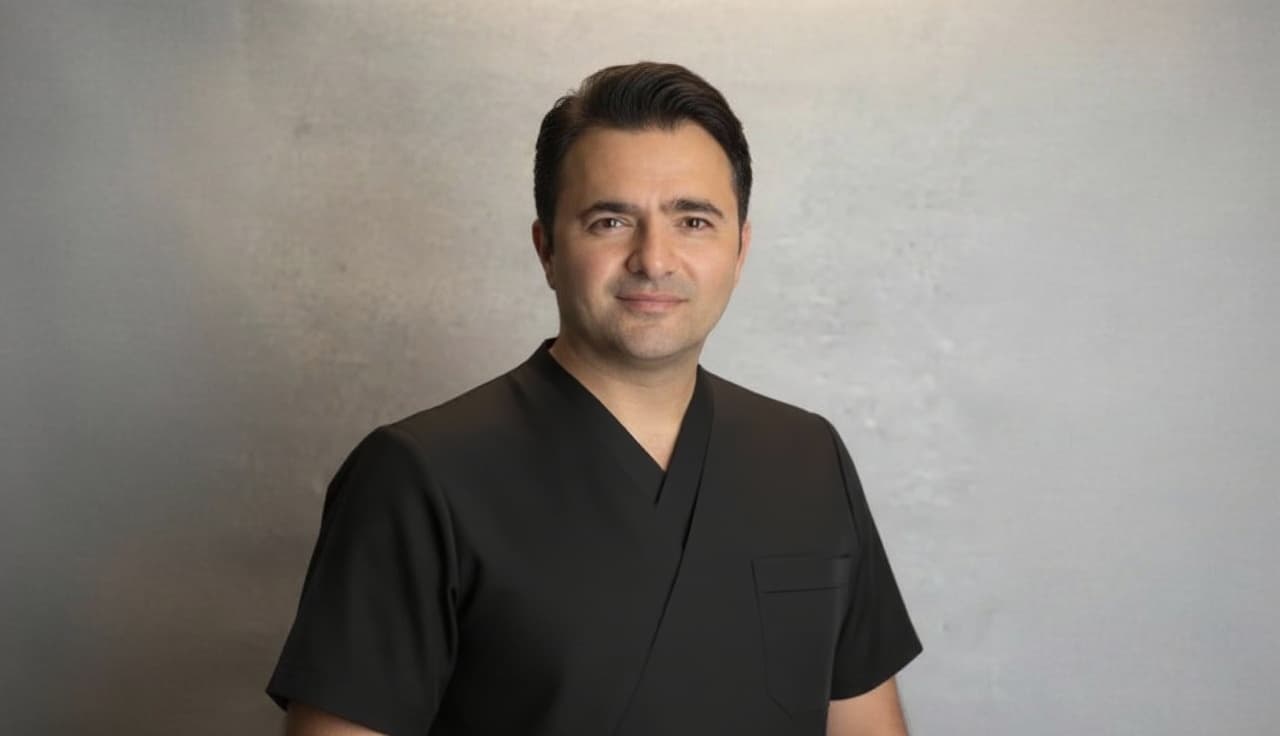
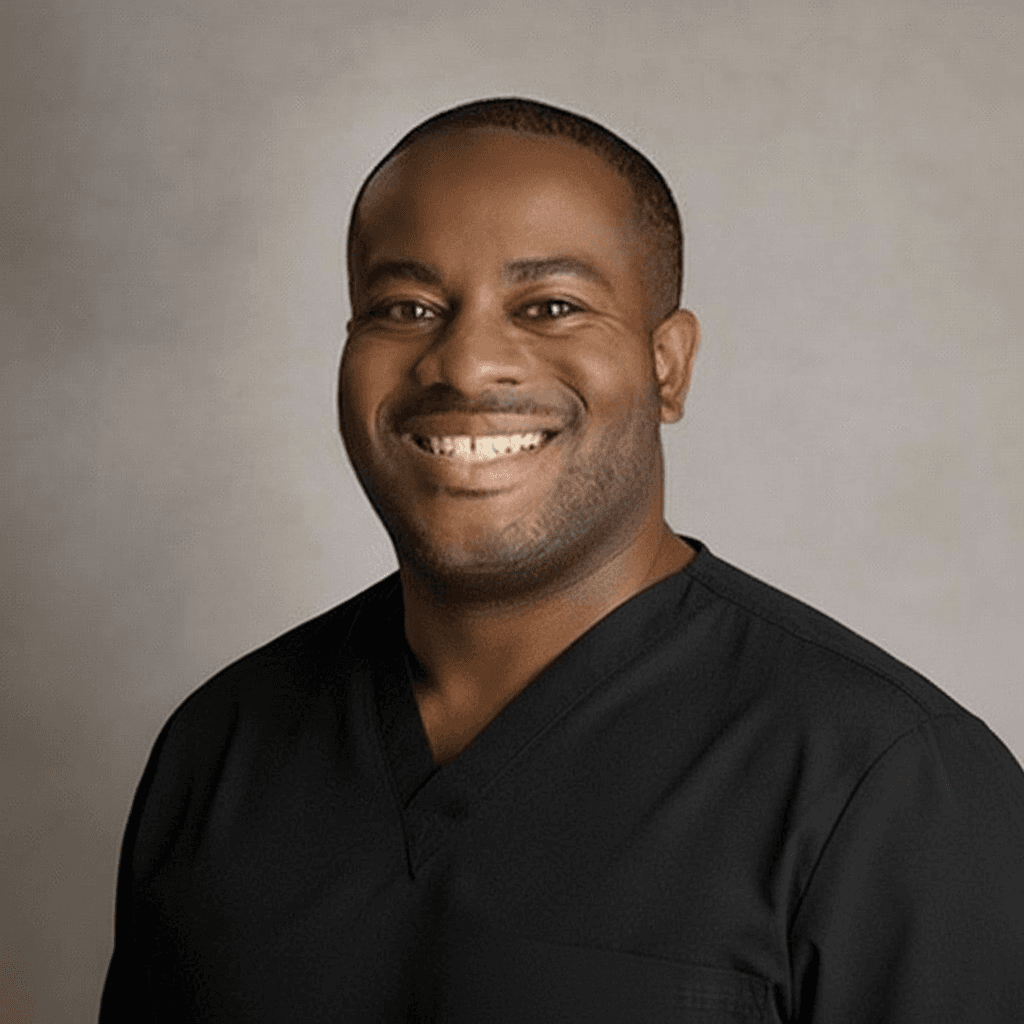
Meet the physicians who specialize in treating herniated disc:



Available at these Locations
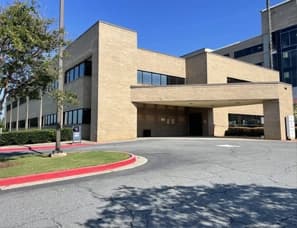
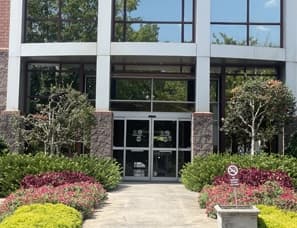
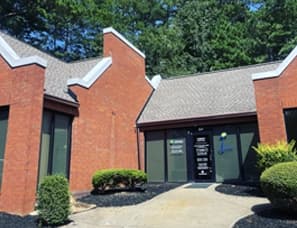
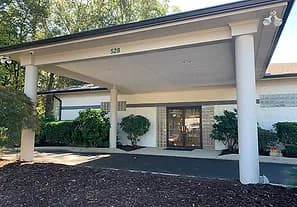
This treatment is available at all of our convenient locations:



Overview
A herniated disc occurs when the soft center of a spinal disc pushes through a crack in the tougher exterior casing. This can irritate nearby nerves and result in pain, numbness, or weakness. Legacy Brain and Spine offers advanced minimally invasive treatments including microdiscectomy and disc replacement.
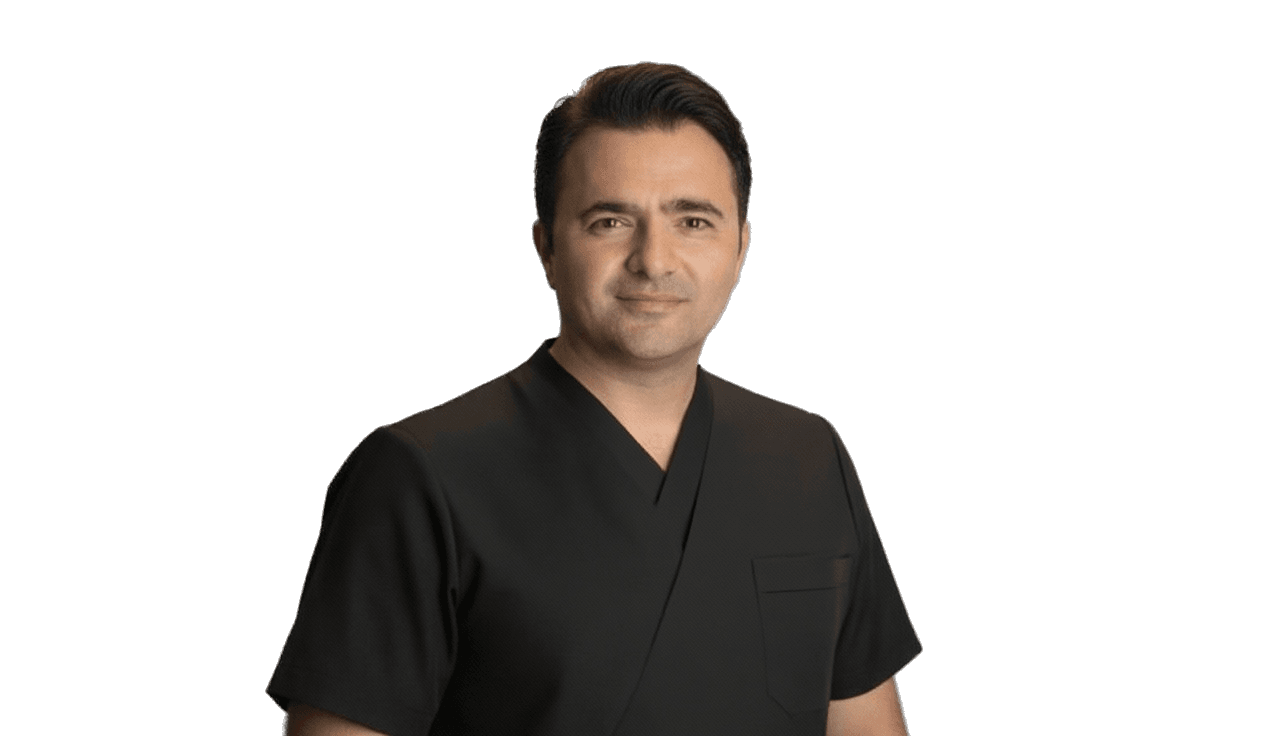
Expert care for herniated disc
Expert treatment of herniated discs using advanced minimally invasive techniques. Our neurosurgeons perform microdiscectomy and disc replacement procedures with precision, offering same-day surgery options and concierge recovery suites for optimal outcomes.
Common Symptoms
Herniated disc symptoms often start suddenly and can be severe, particularly when nerves are compressed. The pattern and distribution of your symptoms help our specialists pinpoint exactly which disc is affected. Early intervention can prevent progressive nerve damage and permanent complications, so don't delay seeking evaluation if you're experiencing these warning signs.
Arm or leg pain (depending on disc location)
Sharp, burning, or aching pain that travels down the limb along the path of the compressed nerve. Cervical disc herniations cause arm pain, while lumbar herniations create leg pain that can be debilitating and worse than the back pain itself.
Numbness or tingling in affected areas
Pins-and-needles sensations or complete loss of feeling in specific areas of the arms, hands, legs, or feet. These altered sensations indicate nerve compression and follow specific patterns corresponding to which nerve root is affected.
Weakness in muscles served by affected nerves
Reduced strength in specific muscle groups makes tasks like gripping objects, lifting your foot, or holding your arm up difficult. This weakness results from interrupted nerve signals and can progress if the disc herniation isn't treated.
Pain that worsens with certain movements
Bending, lifting, twisting, coughing, or sneezing dramatically increases pain as these actions increase pressure on the herniated disc. You may notice yourself avoiding specific movements or positions that trigger pain flares.
Electric shock sensations radiating down limbs
Sudden, lightning-like jolts of pain that shoot down the arm or leg, often triggered by movement or position changes. These shocking sensations indicate acute nerve irritation and can be severe enough to stop you in your tracks.
Common Causes
Herniated discs rarely occur without reason. Whether from gradual degeneration or acute injury, understanding your risk factors helps prevent future episodes. Our comprehensive approach addresses not just the current herniation but also underlying factors that could lead to recurrence, giving you lasting relief and protection.
Age-related wear and tear (disc degeneration)
Over time, spinal discs naturally lose water content and elasticity, making them more prone to tears and herniation. This degenerative process accelerates after age 30 and is the most common cause of disc problems in adults.
Trauma or injury to the spine
Car accidents, falls, or sports injuries can generate sudden force that ruptures the disc's outer layer. Even a single traumatic event can cause a healthy disc to herniate, resulting in immediate and severe symptoms.
Lifting heavy objects improperly
Using your back instead of your legs when lifting places enormous stress on spinal discs. This improper technique, especially when combined with twisting, can cause the disc to bulge or rupture in an instant.
Sudden twisting or turning movements
Quick rotational movements place asymmetric loads on spinal discs that they're not designed to handle. These movements can tear the disc's fibrous outer ring, allowing the inner material to herniate outward.
Genetic predisposition to disc problems
Some individuals inherit weaker disc structure or faster degeneration rates from their parents. This genetic factor means that even with proper care, certain people are more likely to develop disc problems at younger ages.
Treatment Options
Conservative care with rest and physical therapy - Initial treatment focusing on controlled rest, gentle exercises, and gradual return to activity to allow natural healing
Pain management and muscle relaxants - Medications to control pain, reduce muscle spasms, and improve comfort during the healing process
Epidural steroid injections - Precise injections that deliver powerful anti-inflammatory medication directly to the affected nerve root for rapid pain relief
Microdiscectomy (minimally invasive removal of herniated portion) - Outpatient procedure using tiny incisions to remove only the herniated disc material pressing on nerves, preserving healthy tissue
Disc replacement surgery - Advanced motion-preserving procedure that replaces the damaged disc with an artificial one, maintaining natural spine movement
Laser spine surgery options - Cutting-edge laser-assisted techniques for extremely precise disc removal with minimal surrounding tissue disruption
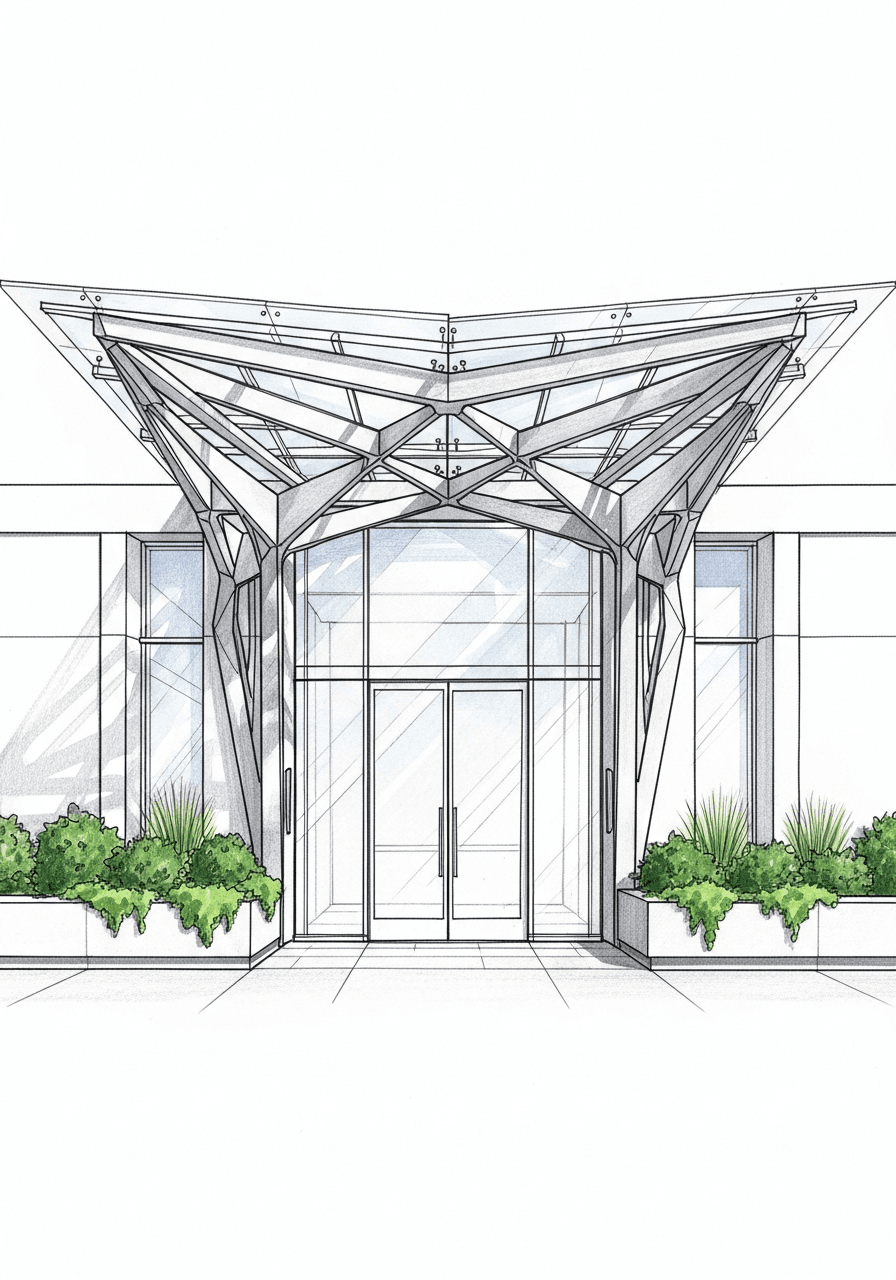
State of the art facilities
Joint Commission Gold Seal certified surgery centers equipped with the latest neurosurgical technology. Our Atlanta and Riverdale facilities offer minimally invasive procedures with concierge recovery suites for optimal patient comfort.
Recovery & Outlook
Minimally invasive microdiscectomy typically allows patients to return to light activities within 2-4 weeks, with full recovery in 6-12 weeks. Our same-day surgery options and concierge recovery suites ensure optimal healing.
Ready to Start Your Treatment Journey?
Our board-certified neurosurgeons are here to provide expert evaluation and personalized treatment plans. Schedule a consultation today to discuss your options.
Schedule ConsultationAccepted by most major insurance carriers and plans.
Many of our physicians are in-network with major insurance plans, including Aetna, Blue Cross Blue Shield, Anthem, UnitedHealthcare, Cigna, and more. Coverage can vary, so feel free to call us—we're happy to check your plan for you.
Find a Physician




Questions about herniated disc treatment.
Everything you need to know about diagnosis, treatment options, and recovery.