Advanced spinal stenosis treatment in Atlanta
Dedicated stenosis care blends image-guided decompression, targeted injections, and nerve-calming rehab strategies to end radiating leg and back pain.
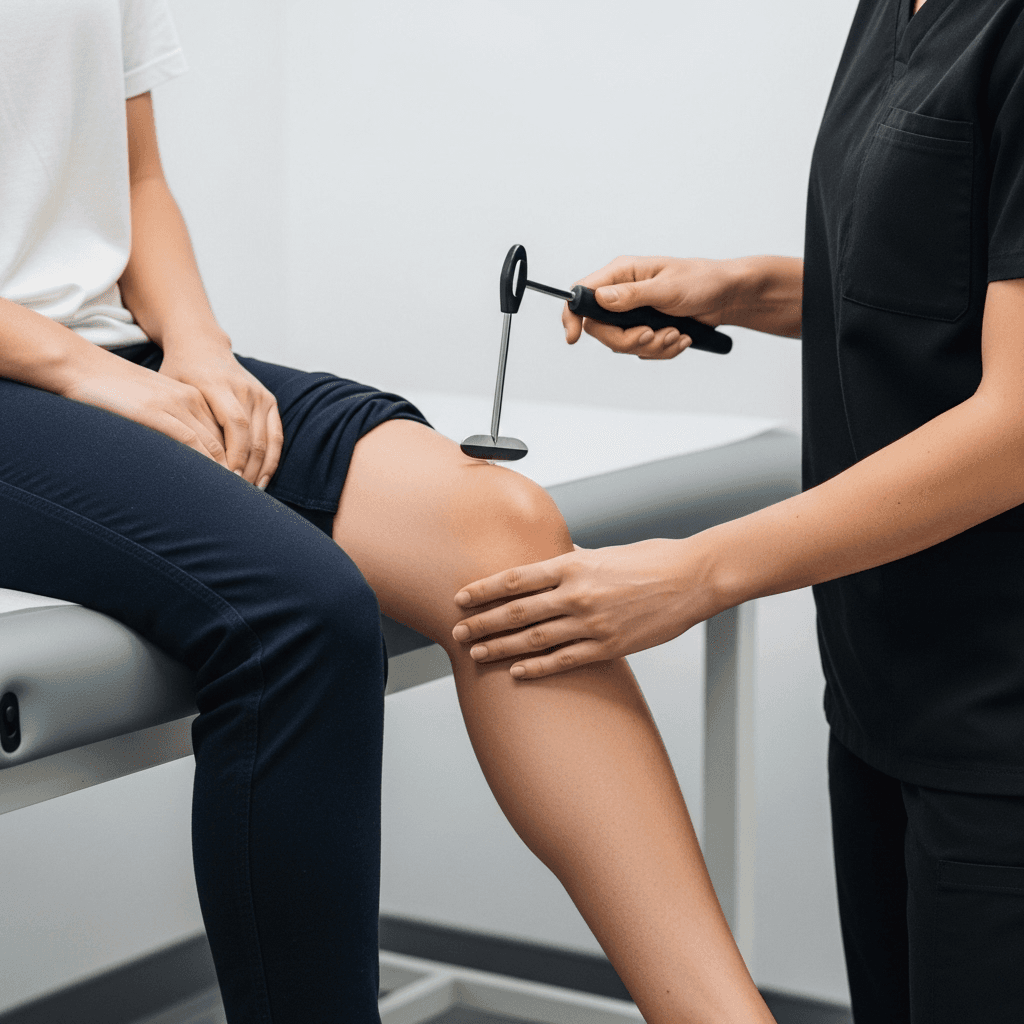
If you find yourself stopping frequently during walks because of leg pain, or if standing for more than a few minutes causes discomfort, spinal stenosis might be the culprit. This progressive condition doesn't have to limit your mobility and independence. At Legacy Brain and Spine, our minimally invasive decompression procedures provide immediate relief from nerve compression, helping you regain the active lifestyle you deserve—often with same-day surgery and rapid recovery.
Our Specialists
Meet the physicians who specialize in treating spinal stenosis:




Available at these Locations
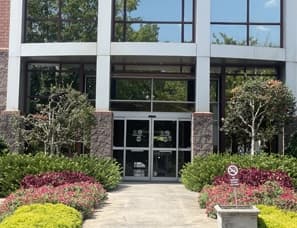
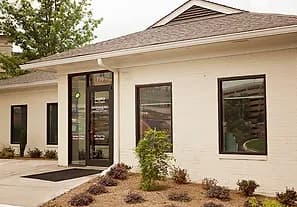
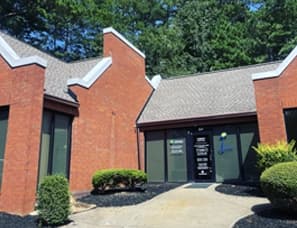
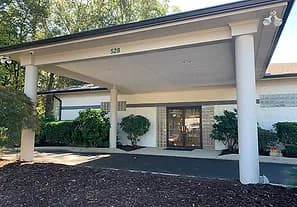
This treatment is available at all of our convenient locations:
Overview
Spinal stenosis is a narrowing of the spaces within your spine, which can put pressure on the nerves that travel through the spine. Most commonly occurring in the lower back and neck, spinal stenosis can cause pain, numbness, and weakness. Legacy offers advanced decompression procedures.

Expert care for spinal stenosis
Advanced spinal decompression specialists providing immediate relief from nerve compression. Our minimally invasive laminectomy procedures offer rapid recovery, with most patients experiencing symptom relief and returning to activities within weeks.
Common Symptoms
Spinal stenosis symptoms typically develop gradually and worsen over time, though many people initially attribute them to 'just getting older.' The hallmark symptom—leg pain that improves when sitting or leaning forward—distinguishes stenosis from other conditions. If you're limiting activities you once enjoyed due to these symptoms, it's time for evaluation. Untreated stenosis can lead to permanent nerve damage and mobility loss.
Numbness or tingling in arms, hands, legs, or feet
Pins-and-needles sensations or loss of feeling in the extremities caused by compressed nerves. These symptoms typically worsen with standing or walking and improve when sitting or leaning forward, which opens up the spinal canal.
Weakness in limbs
Progressive loss of strength in arms or legs makes climbing stairs, gripping objects, or maintaining balance increasingly difficult. This weakness indicates significant nerve compression and can lead to falls or dropped objects if untreated.
Problems with balance and walking
Unsteady gait, shuffling steps, or feeling like your legs might give out during walking. Compressed spinal nerves disrupt coordination and proprioception, making you feel insecure on your feet and prone to stumbling.
Neck or back pain
Chronic aching or stiffness in the spine from arthritis and bone spurs causing stenosis. This axial pain is often accompanied by muscle spasms and can be constant or intermittent, affecting both mobility and quality of life.
Difficulty standing for long periods
Upright positions narrow the spinal canal further, causing leg pain, heaviness, or cramping that forces you to sit or lean forward for relief. This symptom, called neurogenic claudication, is characteristic of lumbar spinal stenosis.
Bowel or bladder dysfunction in severe cases
Loss of bowel or bladder control, difficulty initiating urination, or reduced sensation in the groin area signals severe spinal cord compression. This constitutes a medical emergency requiring immediate evaluation and treatment.
Common Causes
Spinal stenosis is primarily a degenerative condition that develops over decades, though some people are born with narrower spinal canals making them more vulnerable. Multiple factors often combine to create the narrowing—arthritis, disc degeneration, thickened ligaments, and bone spurs working together to reduce space for nerves. Understanding these contributing causes helps us determine the best decompression approach for your specific anatomy.
Age-related changes and osteoarthritis
Natural aging causes spinal discs to dehydrate and flatten while cartilage wears away in facet joints. This progressive degeneration leads to narrowing of the spinal canal and nerve passages, typically becoming symptomatic after age 50.
Herniated discs
When disc material bulges into the spinal canal, it not only compresses nerves directly but also reduces available space. This dual effect can cause significant stenosis even in younger patients with otherwise healthy spines.
Thickened ligaments
The ligaments holding vertebrae together can become stiff and thick over time, bulging into the spinal canal. This condition, called ligamentum flavum hypertrophy, gradually narrows the space available for nerves and the spinal cord.
Bone spurs (overgrowth)
As the spine tries to stabilize itself in response to arthritis, it forms extra bone growths called osteophytes. These bone spurs project into the spinal canal and nerve passages, progressively restricting space and compressing neural structures.
Tumors or injuries
Abnormal tissue growth from tumors or displaced bone fragments from spinal fractures can occupy space within the spinal canal. While less common than degenerative causes, these conditions can rapidly produce severe stenosis requiring urgent intervention.
Treatment Options
Physical therapy to strengthen supporting muscles - Targeted exercises to build core and back strength, improving spinal support and reducing pressure on compressed nerves
Anti-inflammatory medications - Prescription NSAIDs and other medications to reduce swelling around nerve roots and manage pain
Steroid injections to reduce inflammation - Epidural or selective nerve root injections delivering powerful anti-inflammatory medication directly to compressed areas
Laminectomy (surgical decompression) - Removal of the lamina (back part of vertebra) to create more space for nerves and spinal cord, immediately relieving pressure
Minimally invasive decompression procedures - Outpatient procedures using small incisions and specialized tools to remove bone spurs and ligament causing compression
Spinal fusion if instability is present - Stabilization surgery to prevent excessive movement between vertebrae that could worsen stenosis or cause pain
State of the art facilities
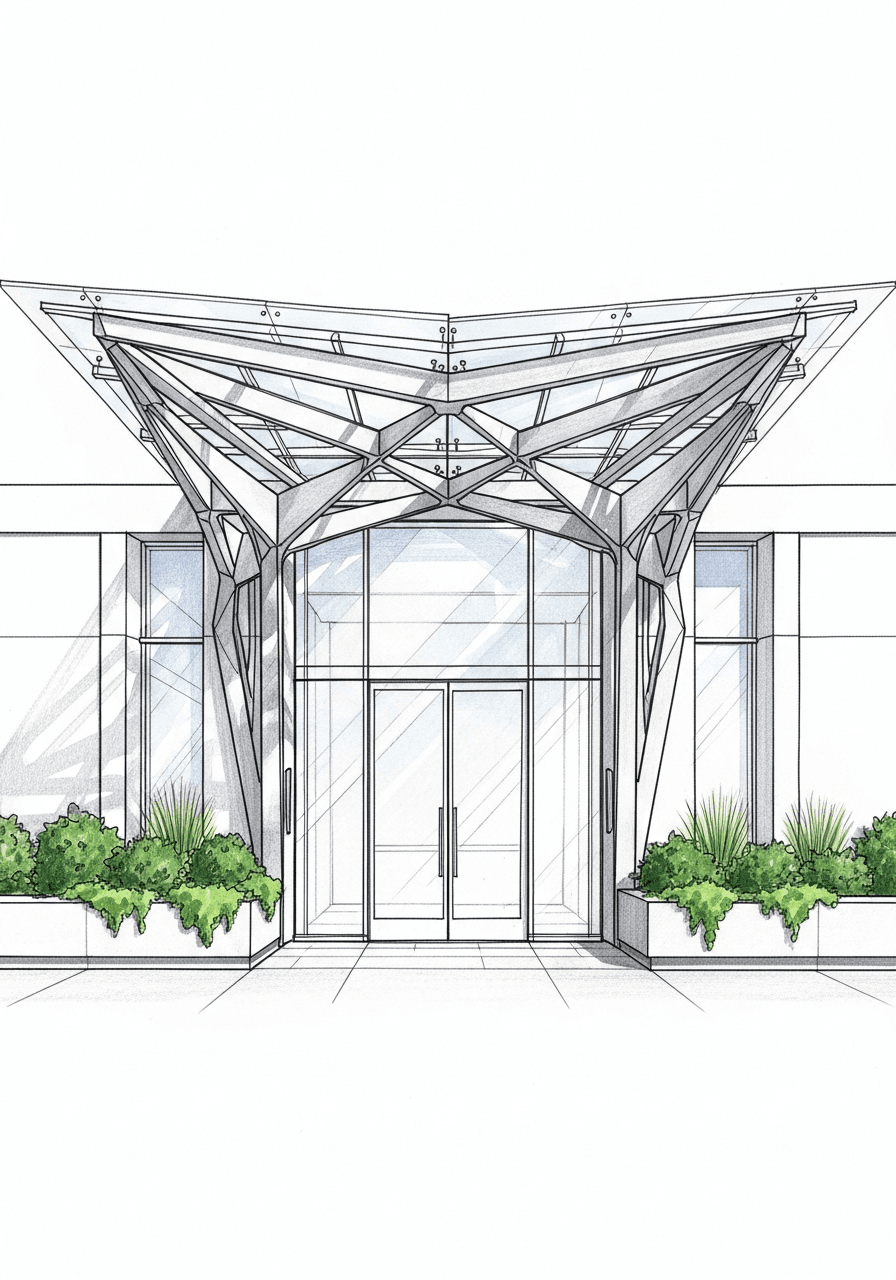
Joint Commission Gold Seal certified surgery centers equipped with the latest neurosurgical technology. Our Atlanta and Riverdale facilities offer minimally invasive procedures with concierge recovery suites for optimal patient comfort.
Recovery & Outlook
Minimally invasive laminectomy patients typically experience immediate relief from nerve compression symptoms. Most return to normal activities within 4-6 weeks with continued improvement over 3-6 months.
Ready to Start Your Treatment Journey?
Our board-certified neurosurgeons are here to provide expert evaluation and personalized treatment plans. Schedule a consultation today to discuss your options.
Schedule ConsultationAccepted by most major insurance carriers and plans.
Many of our physicians are in-network with major insurance plans, including Aetna, Blue Cross Blue Shield, Anthem, UnitedHealthcare, Cigna, and more. Coverage can vary, so feel free to call us—we're happy to check your plan for you.
Find a Physician







Questions about spinal stenosis treatment.
Everything you need to know about diagnosis, treatment options, and recovery.